Get free quotes from radon testing and mitigation near you
Takes about a minute. Free, no obligation; providers reply to you directly.
My neighbor called me in a panic last spring. He’d just gotten the inspection report back on the house he was buying — radon level of 9.2 pCi/L, more than double the EPA action threshold. The seller had already agreed to remediate. The problem? He had no idea if the $2,200 quote he was looking at was reasonable or a shakedown.
Spoiler: it was fine. But he didn’t know that, and neither would most people.
Radon mitigation is one of those services where the information gap between homeowner and contractor is vast. Most of us have never thought about it until the test comes back high. Then suddenly we’re signing quotes for fans and PVC pipe we’ve never seen before, for a gas we can’t smell or see.
So here’s what I found when I actually looked at the numbers.
The Short Version:Most homeowners pay $800–$1,500 for a standard radon mitigation system. Complex homes (crawl spaces, multi-level foundations, high radon levels) can push to $2,500–$4,000. Testing adds $150–$800 if you go professional. Get three quotes from NRPP/AARST-certified contractors, and don’t skip the post-mitigation test.
Key Takeaways
- National average sits around $1,028–$1,071 for a full active depressurization system
- Foundation type is the single biggest cost variable — slab homes are cheaper than crawl spaces
- Ongoing costs run $100–$300/year in electricity; budget for them
- Never skip the post-installation test — it’s the only way to know the system is actually working
What You’re Actually Paying For
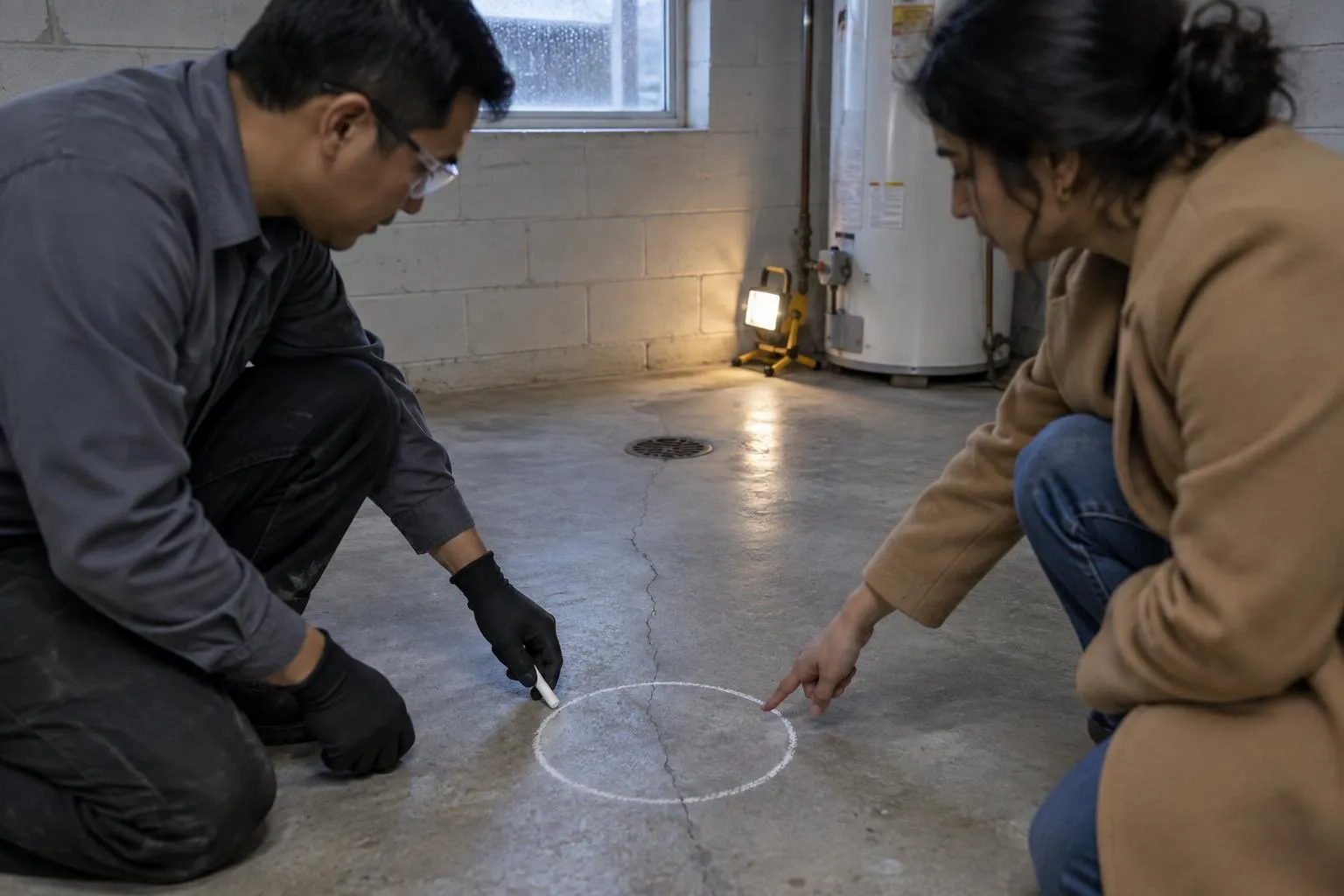
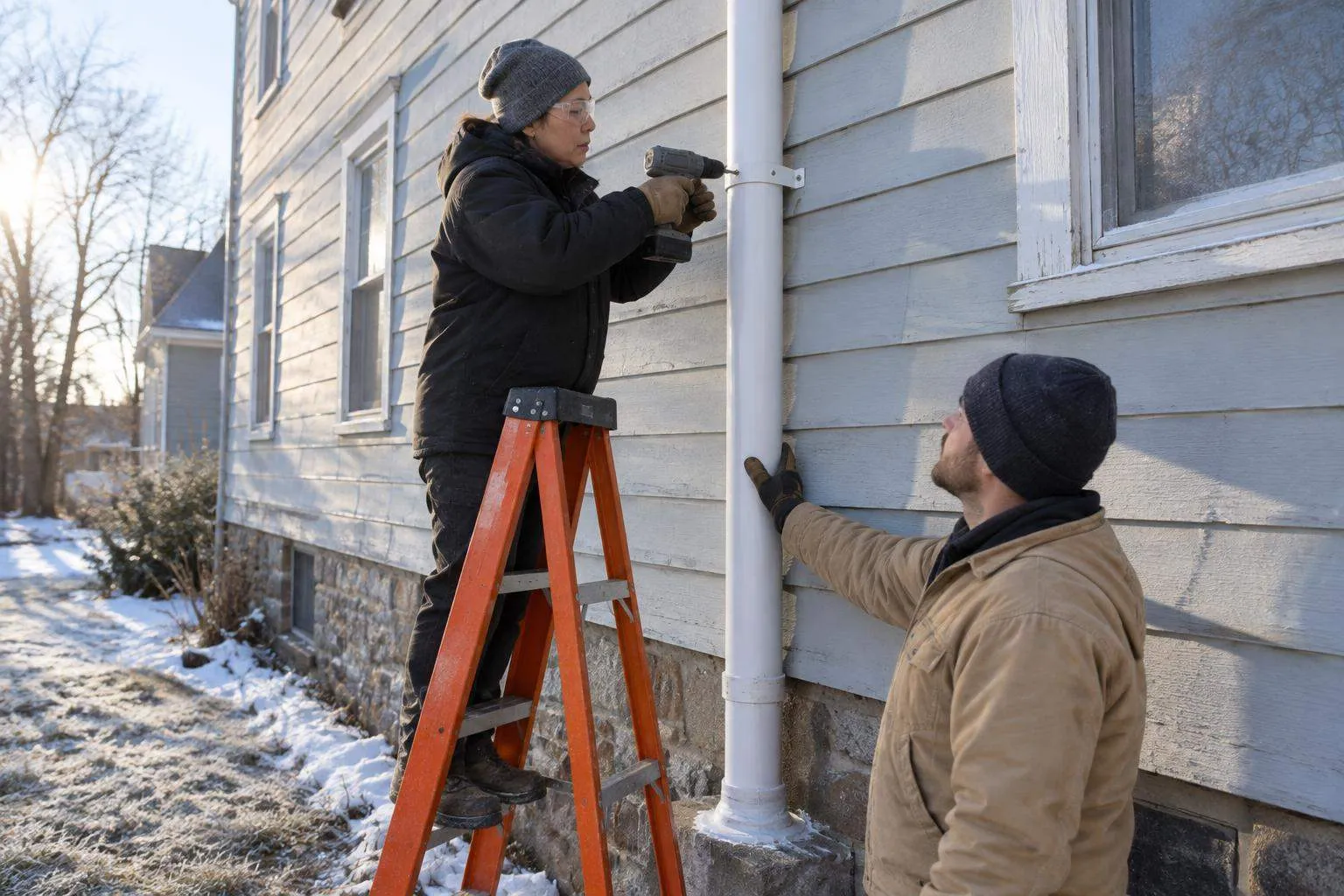
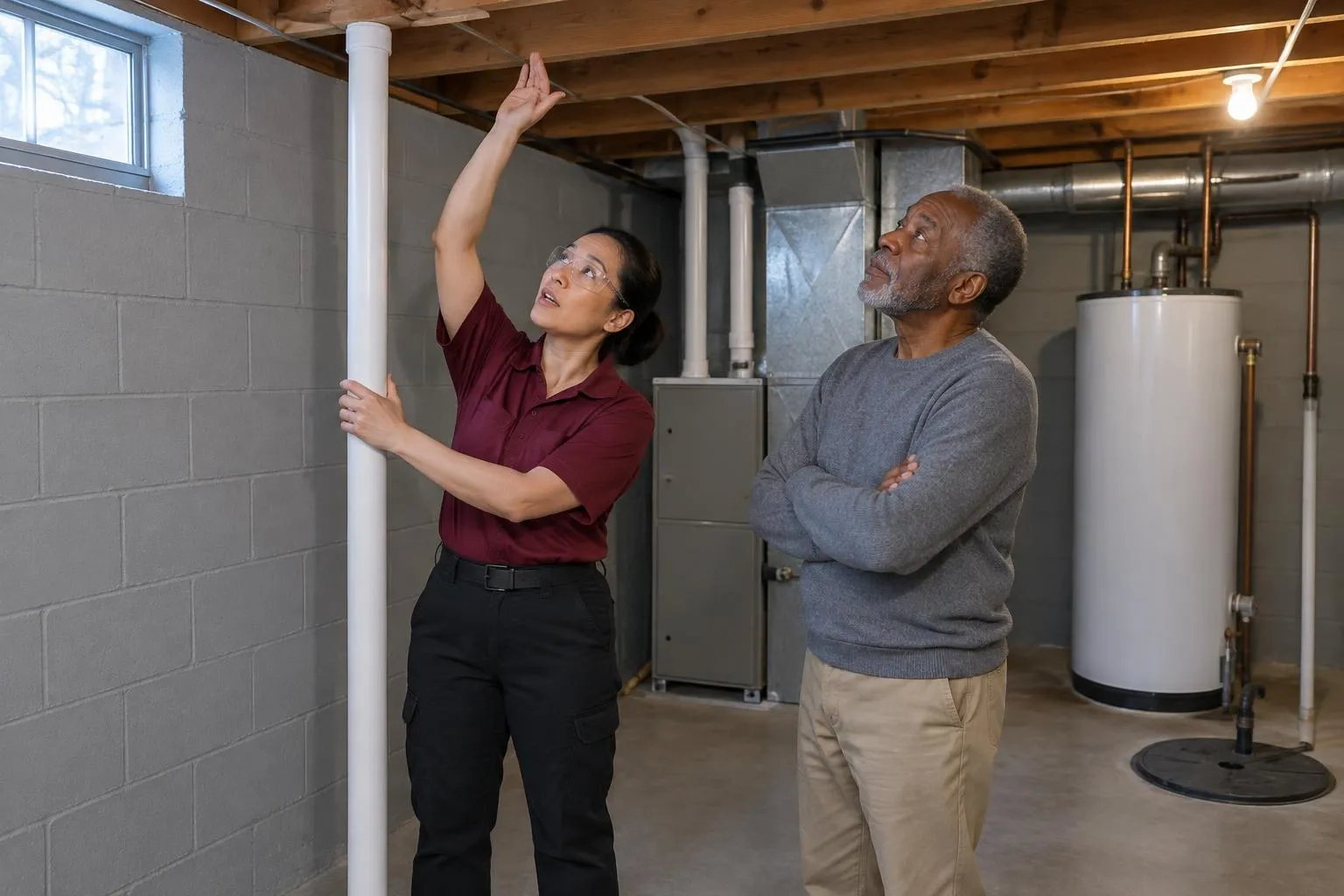
When a radon contractor shows up, they’re not just installing a fan. A complete job includes pre-install testing, system design, a radon fan ($140–$300 per unit), 4-inch PVC piping ($80–$150 per linear foot), crack sealing in your foundation, permits ($25–$150, average $85), and a post-mitigation test to verify results are below 4 pCi/L.
The labor + materials package is almost always quoted as a flat fee — not hourly. If an electrician is needed for the fan wiring, add $50–$100/hour on top.
Here’s what the numbers look like broken down by system type:
| Service Tier | Cost Range | What’s Included |
|---|---|---|
| Basic passive system | $400–$700 | PVC piping, no fan, natural airflow |
| Standard active (sub-slab) | $800–$1,300 | Fan, PVC, sealing, permit, post-test |
| Complex/multi-foundation | $1,500–$2,500 | Multiple suction points, crawl space work |
| High-radon or large home | $2,500–$4,000 | Extended systems, encapsulation, multiple fans |
| Testing only (professional) | $150–$800 | Pre-mitigation measurement, report |
Sub-slab depressurization — where a fan actively pulls radon from beneath your foundation and vents it above the roofline — is the industry standard for most homes. Passive systems work for lower radon levels and simpler foundations but aren’t always sufficient.
The Factors That Actually Move the Price
Foundation type is the villain here. A slab-on-grade home in Atlanta might run $1,200–$1,500. That same job with a crawl space or multiple foundation types can jump $500–$1,500 because the contractor needs more suction points and possibly vapor barrier work.
Home size matters, but not as much as foundation. Larger homes add $500–$1,500 to the baseline, mostly because of extended piping runs.
Radon levels change the equation. A reading of 6 pCi/L might need one fan. A reading of 18 pCi/L might need two, plus a more aggressive sealing pass on cracks.
Location affects labor rates. Boston homeowners pay $907–$1,213 (average $1,049). Metro Atlanta averages $1,200–$1,500. Rural markets can run lower — or higher if certified contractors are scarce.
Reality Check:The “low-end” quotes you see — $395, $400, $438 — are real, but they’re almost always passive systems in ideal conditions. If your home has any complexity at all, use $800 as your true floor.
The Hidden Costs Nobody Mentions
Nobody tells you this: the system runs continuously, 24/7, for the life of your home. That fan draws electricity.
Ongoing electricity cost: $100–$300/year ($8–$25/month depending on fan size and local rates). Over ten years, that’s $1,000–$3,000 in operating costs on top of the install. Energy-efficient fans (look for units rated below 30 watts) can cut this significantly.
Cold climates have an extra wrinkle. Active systems draw conditioned air from your home through the suction process. In northern states, that translates to $225–$500/year in heating loss. It’s worth asking your contractor about interior vs. exterior pipe routing.
Other add-ons to watch for:
- System monitor/alarm: $50–$150
- Extended warranty: $200–$500
- Crawl space encapsulation (if needed): $1,500–$15,000
- Full basement sealing + ventilation package: ~$4,600
Pro Tip:Ask contractors to break out the post-mitigation test in the quote. Some bundle it, some don’t. If it’s not included, budget $150–$300 to have a third party verify results independently — especially useful if you’re in a real estate transaction.
How to Negotiate Without Getting Bad Work
The mitigation industry has a lot of small regional players with varying quality. Here’s what I’d do:
Get three quotes minimum. Prices can vary 30–40% for identical work in the same market. The Eraser Radon approach — free inspection, fixed-price quote — is common; use that to anchor your negotiations.
Verify NRPP or AARST certification. These are the two national credentialing bodies. A certified contractor has passed exams and carries E&O insurance. An uncertified one is a gamble regardless of price. Check credentials at nrpp.info or aarst.org.
Don’t let “we’ll test after” replace a warranty. Any reputable contractor offers a written guarantee that post-mitigation levels will be below 4 pCi/L, usually with a free follow-up service call if they’re not.
Avoid DIY entirely. It’s not like painting a room. Improper sealing voids manufacturer warranties, can violate local building codes, and — most critically — can leave you thinking you’ve solved the problem when you haven’t. The consequences here are measured in lung cancer risk, not wasted weekends.
Regional Snapshot
| Region | Typical Range | Notes |
|---|---|---|
| Boston, MA | $907–$1,213 | High demand, certified contractors competitive |
| Metro Atlanta | $1,200–$1,500 | Slab-dominated market; crawl space adds cost |
| National average | $786–$1,274 | Aggregated across foundation types and markets |
| Complex/rural | $1,500–$4,000 | Fewer certified contractors; multi-foundation homes |
Practical Bottom Line
If you’ve just gotten a radon test back above 4 pCi/L, here’s your action plan:
- Get three quotes from NRPP/AARST-certified contractors only. Ask each for a written scope of work.
- Budget $1,000–$1,500 as your working assumption for a standard slab or basement home. Adjust up if you have a crawl space or complex foundation.
- Ask about post-mitigation testing — confirm it’s included in the quote or priced separately.
- Factor in ongoing electricity costs — $10–$25/month for the life of the system.
- Get the warranty in writing — specifically that post-mitigation levels will be below 4 pCi/L.
The total lifetime cost of a radon mitigation system (install + 20 years of electricity) is typically $3,000–$7,000. Given that radon is the second leading cause of lung cancer in the US, the math isn’t complicated.
For a deeper look at how the certification process works and how to vet contractors before you call anyone, see The Complete Guide to Radon Mitigation Contractors.
Done reading? Get quotes from radon mitigation contractors near you.
Takes about a minute. Free, no obligation; providers reply to you directly.
Popular cities:
Nick built RadonTrust because the radon industry still mixes measurement and mitigation in ways that create conflict of interest — the same pro who tells you your level is high often wants to sell you the fix. This directory surfaces independent, credentialed professionals first.