Get free quotes from radon testing and mitigation near you
Takes about a minute. Free, no obligation; providers reply to you directly.
My neighbor’s house tested at 12 pCi/L. She found out during a real estate inspection, panicked, and hired the first contractor who showed up in a Google search. He installed a system, handed her a receipt, and disappeared. Three months later she tested again — still at 9 pCi/L. Turns out he’d never bothered to seal the slab penetrations, and his “fan” was undersized for her basement geometry. She paid twice to fix a problem that should’ve been solved once.
Radon mitigation isn’t complicated — but it is technical. And the gap between a contractor who knows what they’re doing and one who doesn’t isn’t obvious from a Yelp review.
This guide is everything I wish she’d had.
The Short Version:Hire a contractor certified by NRPP or NRSB (the two nationally recognized bodies), get at least three written proposals, and insist on a post-mitigation test before you consider the job done. Expect the system to bring your home below 4 pCi/L — that’s the EPA action level. If a contractor won’t commit to that in writing, keep looking.
Key Takeaways
- Radon kills. The EPA estimates 21,000 lung cancer deaths per year from radon exposure — it’s the second leading cause in the U.S., behind smoking. This isn’t a niche concern.
- The action threshold is 4 pCi/L. Below that, the EPA says risk is manageable. Above it, you act.
- Certification matters more than price. The two legitimate national certifiers are NRPP (nrpp.info) and NRSB (nrsb.org). Verify your contractor’s credentials before signing anything.
- A good contract is non-negotiable. Scope, cost, timeline, warranty, and a written performance guarantee below 4 pCi/L — if any of those are missing, walk away.
What Radon Mitigation Contractors Actually Do
Here’s what most people miss: there are two separate credentialed roles in this industry — measurement and mitigation. A radon measurement professional tests your home and documents levels. A mitigation contractor installs the system that fixes the problem. Some contractors hold both credentials. Many don’t. When you’re hiring, know which one you need.
The mitigation process itself follows a consistent playbook:
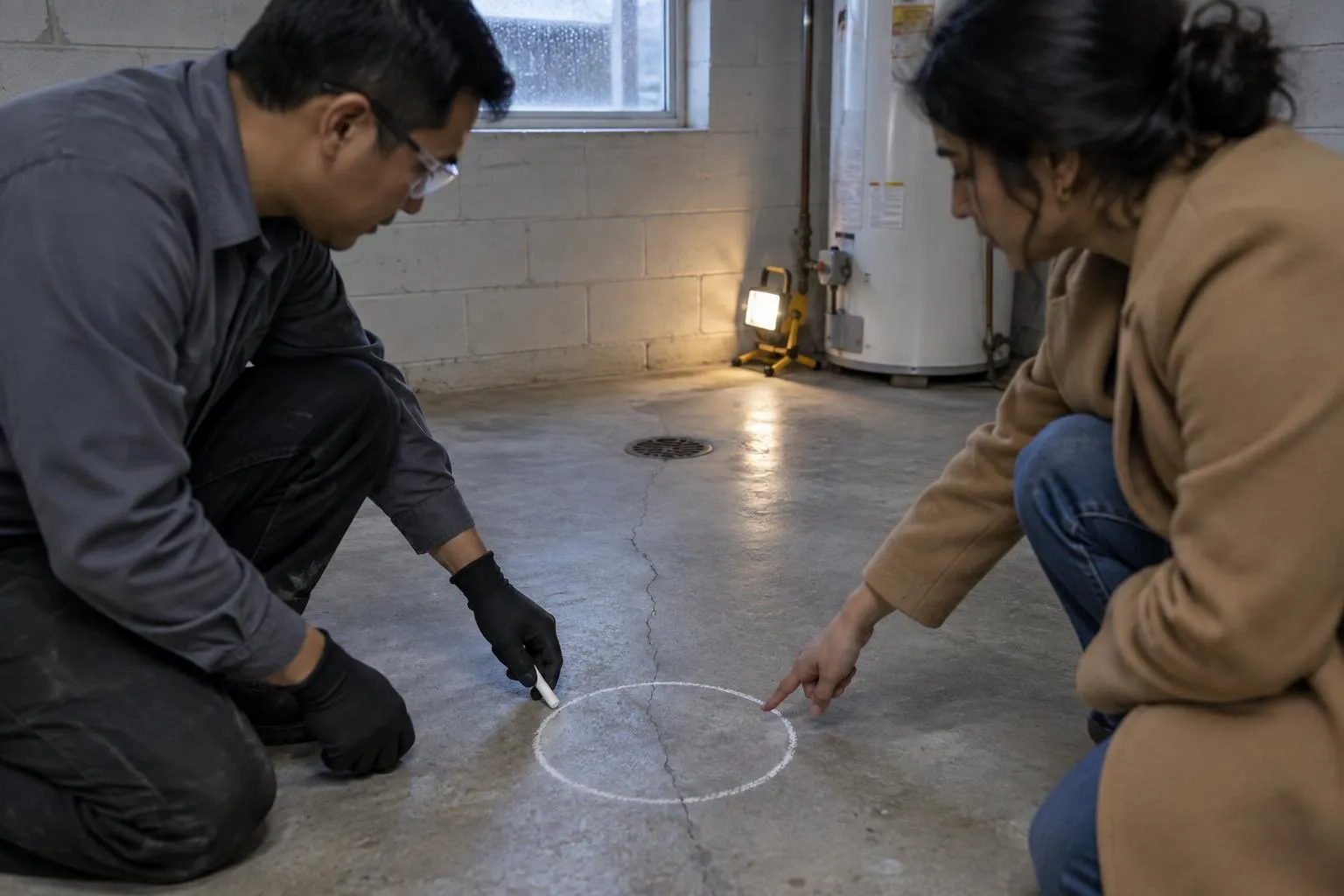
- Diagnostic assessment — the contractor evaluates your home’s construction (slab-on-grade, crawlspace, basement) and identifies radon entry points
- Suction point installation — they drill into the slab or soil to create a depressurization point
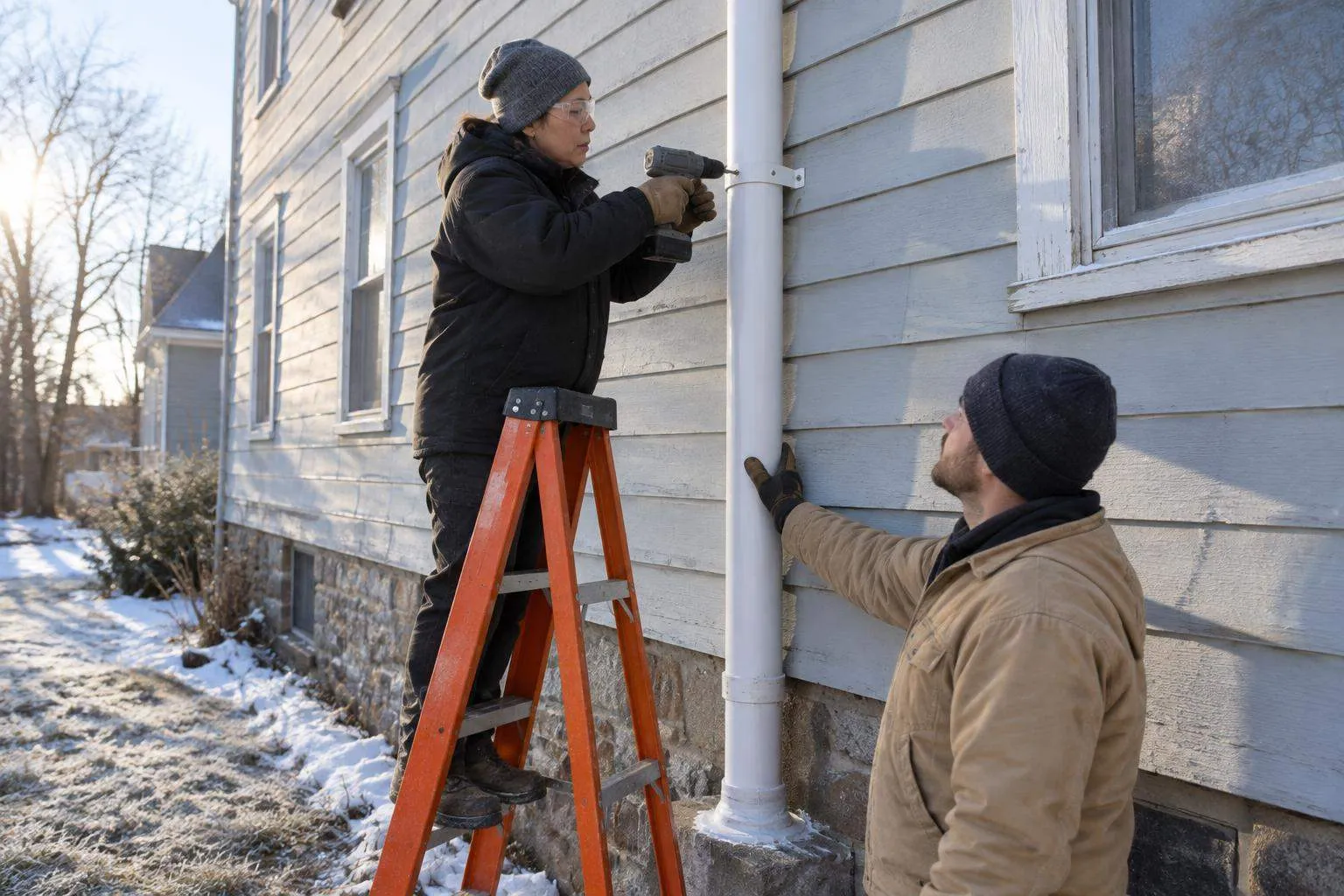
- PVC piping run — pipes route from that suction point up through the home or along an exterior wall
- Fan installation — an inline radon fan creates continuous negative pressure beneath the slab, drawing radon out before it enters your living space
- Crack sealing — penetrations, floor-wall joints, and visible cracks get sealed to improve system efficiency
- Post-mitigation testing — 24-48 hours after installation, a test confirms whether levels dropped below 4 pCi/L
The dominant method is sub-slab depressurization (SSD) — effective for most slab and basement homes. Crawlspace homes may use sub-membrane depressurization or encapsulation. The right approach depends on your home’s foundation type and soil conditions.
Nobody tells you this: the fan size, pipe diameter, and suction point placement are engineering decisions. Get them wrong and you’ve spent $1,000–$2,500 on a system that moves air around without actually reducing radon.
How Certification Works (and Why It’s the Only Thing That Matters)
The EPA ran a National Radon Proficiency Program (RPP) until October 1, 1998. When that ended, two independent organizations stepped in as the recognized national certifiers:
- NRPP (National Radon Proficiency Program) — nrpp.info
- NRSB (National Radon Safety Board) — nrsb.org | (914) 345-1168
Both organizations maintain public registries. Both require contractors to pass written exams, demonstrate field knowledge, and complete continuing education. Separate certifications exist for measurement vs. mitigation — check that whoever is swinging a drill on your floor is certified for mitigation, not just testing.
Reality Check:Many states layer their own licensing requirements on top of national certification. There’s no central database — you need to contact your state radon office to find out what’s required in your state. “I’m NRPP certified” isn’t automatically sufficient if your state requires a separate license.
State requirements range from none (a few states have no mandates at all) to full contractor licensing with state-administered exams. The EPA’s guidance is clear: work with state-certified or nationally certified professionals where programs exist. Don’t take a contractor’s word for it — verify directly through the NRPP or NRSB registry, and call your state radon office if you’re unsure about local requirements.
Service Types: A Comparison
| Service Type | What It Is | When You Need It | Typical Deliverable |
|---|---|---|---|
| Radon Measurement | Short-term or long-term test to establish baseline pCi/L levels | Before buying a home; first step if symptoms or concern arise | Written report with pCi/L reading, test duration, conditions |
| Active Soil Depressurization (ASD) | Sub-slab system with fan, piping, suction point | Most homes with elevated radon; basement or slab-on-grade | Installed system + post-mitigation test results |
| Sub-Membrane Depressurization | Sheet/barrier system under crawlspace + fan | Crawlspace homes or dirt-floor basements | Encapsulated crawlspace + venting system |
| Passive Radon System | Piping only, no fan (new construction standard) | New builds in EPA Zone 1 areas | Rough-in piping for future fan addition if needed |
| Post-Mitigation Testing | Follow-up test to confirm system effectiveness | After any mitigation work | Written post-mitigation pCi/L reading |
| System Maintenance/Fan Replacement | Fan swap or system inspection on existing install | Every 5-10 years, or if manometer reading changes | Working system confirmed below action level |
How to Hire One (Without Getting Burned)
The EPA’s actual recommendation, stripped of diplomatic language: treat this like any skilled home repair. Get multiple estimates. Check references. Verify insurance. The difference is that in radon mitigation, an underqualified contractor doesn’t just do subpar work — they can actively make your problem worse.
The Five Non-Negotiables
1. Verified certification. Ask for their NRPP or NRSB certificate number and look them up. Don’t skip this step because the contractor seems friendly or legit.
2. Liability insurance and workers’ comp. Ask for a certificate of insurance, not just their word. If someone falls through your ceiling or damages a wall, you want documentation.
3. A detailed written proposal. Vague proposals lead to disputes. Before any work starts, you should have in writing: scope of work, total cost, payment terms, timeline, permit requirements, and who is responsible for cleanup.
4. A performance guarantee. Most reputable contractors will commit in writing to reducing radon below 4 pCi/L. If a contractor hedges on this — “we’ll do our best” — that’s a flag.
5. References with before/after test data. Not just “happy customer” testimonials. Ask for documentation showing pre-installation pCi/L levels and post-mitigation results. A contractor who can’t produce this hasn’t been doing follow-up testing — or doesn’t want you to see the numbers.
Pro Tip:Get at least three proposals. Not because the cheapest is best, but because the variation will tell you a lot. One contractor might quote $900 and exclude diagnostic fees. Another quotes $1,800 fully inclusive with a 2-year warranty. A third proposes a crawlspace encapsulation you don’t need. Comparison reveals scope differences you’d otherwise never catch.
What Should Be in Your Contract
A signed contract is your only protection once work begins. The UGA Cooperative Extension recommends every radon mitigation contract include:
- Total job cost and payment due date
- Detailed description of the radon reduction system (components, placement, specifications)
- Timeline for installation
- Permit and building code compliance responsibilities
- Warranty terms (system and workmanship)
- Post-mitigation testing — who does it and when
- Cleanup and site restoration responsibility
If a contractor pushes back on any of these, especially the post-mitigation test, that’s not a negotiation. That’s an exit.
The DIY Question
The EPA’s position is direct: attempting radon mitigation without proper training can increase radon levels or create other hazards. The concern isn’t liability-driven boilerplate — it’s real. An incorrectly placed suction point can pressurize areas of the slab, pushing radon toward living spaces rather than away from them. Improperly routed exhaust can reintroduce radon through HVAC returns or windows.
This is one of the few home repairs where “try it yourself first” is legitimately bad advice.
New Construction: The Right Time to Think About This
If you’re building in an EPA Zone 1 area (high radon potential), radon-resistant construction techniques during the build are dramatically cheaper than retrofitting later. This typically means:
- A gas-permeable layer beneath the slab
- A plastic sheet/vapor barrier
- Sealed foundation openings
- A passive vent pipe (no fan yet)
- An electrical junction box for future fan installation if testing shows it’s needed
Adding a passive rough-in during construction costs a few hundred dollars. Retrofitting an active system later costs $1,000–$2,500+. The math is obvious.
What to Expect Regionally
Local expertise matters more in radon mitigation than in most trades. Soil conditions, foundation styles, building codes, and typical home construction methods vary significantly by region. A contractor who’s installed 300 systems in suburban Denver has intuitions about slab construction in that area that a contractor from a different region simply doesn’t have.
Reality Check:“We serve your area” isn’t the same as local expertise. Ask specifically how many installations they’ve completed in your zip code or county, and what foundation types they commonly work with in your area.
This is also where the state licensing patchwork bites hardest. A contractor certified nationally might not carry the required state credential. A state-licensed contractor might not maintain national certification. In states with robust programs, the state list is the most reliable starting point.
What Trends Are Shaping the Industry
Radon awareness has grown steadily as real estate transactions increasingly require disclosure and testing. A few patterns worth knowing:
Real estate-driven demand — most radon mitigation work in residential markets is triggered by buyer inspections. This means high-volume contractors often develop tight timelines geared toward closing schedules, not necessarily the most thorough diagnostic work.
New construction radon-resistant standards — more states are adopting radon-resistant new construction (RRNC) requirements, especially in Zone 1 counties. This is creating a growing segment of passive-to-active system upgrades as new homes are tested post-occupancy.
Fan technology improvements — modern radon fans are quieter, more energy-efficient, and rated for longer lifespans than earlier generations. When comparing proposals, ask about fan brand and expected lifespan — this affects both operating cost and long-term warranty value.
Practical Bottom Line
Here’s how to move from concern to resolution in five steps:
-
Test first. If you don’t have a recent measurement, get one before calling contractors. Short-term kits ($15-30) from hardware stores work fine for initial screening.
-
If above 4 pCi/L, start getting quotes. Pull contractor lists from NRPP (nrpp.info), NRSB (nrsb.org), or your state radon office. Contact at least three.
-
Verify credentials before meeting. Look up each contractor’s certification number in the NRPP or NRSB registry. Confirm your state’s licensing requirements and check compliance.
-
Compare proposals in detail. Don’t compare bottom-line numbers — compare scope. What’s included? What’s excluded? Is post-mitigation testing in the price?
-
Insist on a post-mitigation test. Whether the contractor does it or you hire a separate measurement professional, a post-installation test is the only way to confirm the system is working. This is the step that separates contractors who are confident in their work from those who aren’t.
Radon is invisible, odorless, and genuinely dangerous at elevated levels. The EPA’s 21,000 annual lung cancer deaths figure isn’t a scare tactic — it’s epidemiological data from decades of research. The fix is well understood. The technology is proven. The only variable is whether you hire someone who knows what they’re doing.
That’s entirely within your control.
Looking for a certified radon mitigation contractor in your area? Browse our city pages to find vetted professionals near you. For related reading, see our guides on radon testing methods and understanding your radon test results.
Done reading? Get quotes from radon mitigation contractors near you.
Takes about a minute. Free, no obligation; providers reply to you directly.
Popular cities:
Nick built RadonTrust because the radon industry still mixes measurement and mitigation in ways that create conflict of interest — the same pro who tells you your level is high often wants to sell you the fix. This directory surfaces independent, credentialed professionals first.