

Radon Mitigation Pros in Denver, CO
Compare curated radon mitigation pros, check certifications, read reviews, and request quotes — all in one place.
Map shows providers with a known office location. All providers are listed below.
Top-Rated in Denver
No providers match this filter.
Providers with an office in the Denver area, matched by the ZIP code of their published address.
Also in Colorado: Western Slope area (1)
Need help choosing? Get matched with top providers in seconds.
0 providers selected
Are you a radon mitigation contractor in Denver? Already listed here: SWAT Environmental, 1 Radon Inc, 5280 Radon Mitigation and 25 more.
List your businessHow RadonTrust Works
Browse & Compare
View curated providers, check certifications, and read real client reviews.
Request Quotes
Select up to 5 providers and send your project details. Free, no obligation.
Book Your Radon Mitigation Contractor
Compare quotes, check availability, and book directly with the provider.
Finding a qualified radon mitigation contractor in Denver shouldn’t feel like a guessing game, but with Colorado ranking as one of the highest-risk states in the country — and Denver’s Front Range geology practically a radon factory — the stakes of hiring the wrong person are real. This directory cuts through the noise: every contractor listed here holds active NRPP or NRSB certification, so you’re not rolling the dice on a general handyman with a YouTube education.
How to Choose a Radon Mitigation Contractor in Denver
- Verify the credential, not just the claim. Colorado doesn’t license radon contractors at the state level, which means anyone can hang a shingle. Legitimate pros hold NRPP Certified Radon Mitigation Specialist or NRSB Certified Mitigation Professional credentials — both are searchable in public databases. Ask for the certification number and check it.
- Separate the tester from the mitigator. Measurement and mitigation are distinct certifications. If a contractor does both the test and the fix, confirm they hold credentials for each. Some homeowners hire an independent tester to verify post-mitigation results — especially useful in real estate transactions where objectivity matters.
- Ask specifically about sub-slab conditions. Denver’s soils vary dramatically — you’ve got expansive clay in Stapleton, decomposed granite in the foothills, and backfill nightmares in older Capitol Hill basements. A contractor who asks about your foundation type and runs a sub-slab communication test before quoting isn’t being slow; they’re being competent.
- Get the warranty in writing. Standard active soil depressurization systems come with a 1-5 year labor warranty and a fan warranty of 3-5 years depending on manufacturer. If a contractor won’t put that in writing, walk.
- Check for EPA Zone 1 experience. Denver sits squarely in EPA Zone 1 — the highest predicted indoor radon potential. Contractors who’ve worked primarily in lower-risk zones may undersize the mitigation system. Ask how many Zone 1 installs they’ve done in the past year.
Pro Tip: Colorado’s real estate contracts include a radon inspection contingency period. If you’re buying or selling, hire your tester and mitigator separately — it removes any conflict of interest and holds up better if the deal gets contested.
What to Expect
A standalone radon test runs $150–$400 depending on whether you use a passive charcoal canister (mailed to a lab) or an active continuous monitor with a licensed professional overseeing the process. If results come back above 4 pCi/L — the EPA action level — a full active soil depressurization (ASD) installation typically runs $800–$1,500 for a single-suction-point system, with multi-point systems or finished basements pushing toward the higher end. Most installs take 4–8 hours, and post-mitigation testing 24–48 hours later confirms the fix worked.
Reality Check: The contractors who quote $500 for mitigation are cutting corners somewhere — usually on fan sizing, pipe routing, or skipping the post-mitigation test entirely. A cheap system that drops you from 12 pCi/L to 4.2 pCi/L hasn’t actually solved your problem.
Local Market Overview
Denver’s mandatory radon disclosure requirements in real estate transactions keep demand for certified contractors consistently high, and the metro’s ongoing construction boom — particularly in high-radon areas like Aurora, Highlands Ranch, and the Southeast corridor — means new-construction radon-rough-in systems are increasingly standard. Expect a 1–3 week wait for installation scheduling during peak real estate season (April–July); booking your tester early and having a mitigator lined up before results come back saves you the scramble.
Frequently Asked Questions
How much does a radon mitigation contractor cost in Denver?
Radon Mitigation Contractor services in Denver typically run $800-$1,500 per mitigation install ($150-400 for testing only), depending on scope, complexity, and turnaround requirements. Expedited work and specialized equipment add cost.
What should I look for in a radon mitigation contractor?
Look for NRPP — it's the credential that separates qualified radon mitigation pros from the rest. Also verify insurance, check reviews, and confirm they can handle your project's specific requirements.
How many radon mitigation pros are in Denver?
There are currently 28 radon mitigation pros listed in Denver, CO on RadonTrust.
What does "Sponsored" mean on a listing?
Sponsored providers pay for more prominent placement on pages where they already qualify to appear. Payment does not change a provider's location, credentials or reviews, and it is not an endorsement. All providers on RadonTrust — sponsored or not — are real businesses.
Radon mitigation contractor Resources
The Complete Guide to Radon Mitigation Contractors
Hire a radon mitigation contractor who actually fixes the problem: look for NRPP or NRSB…
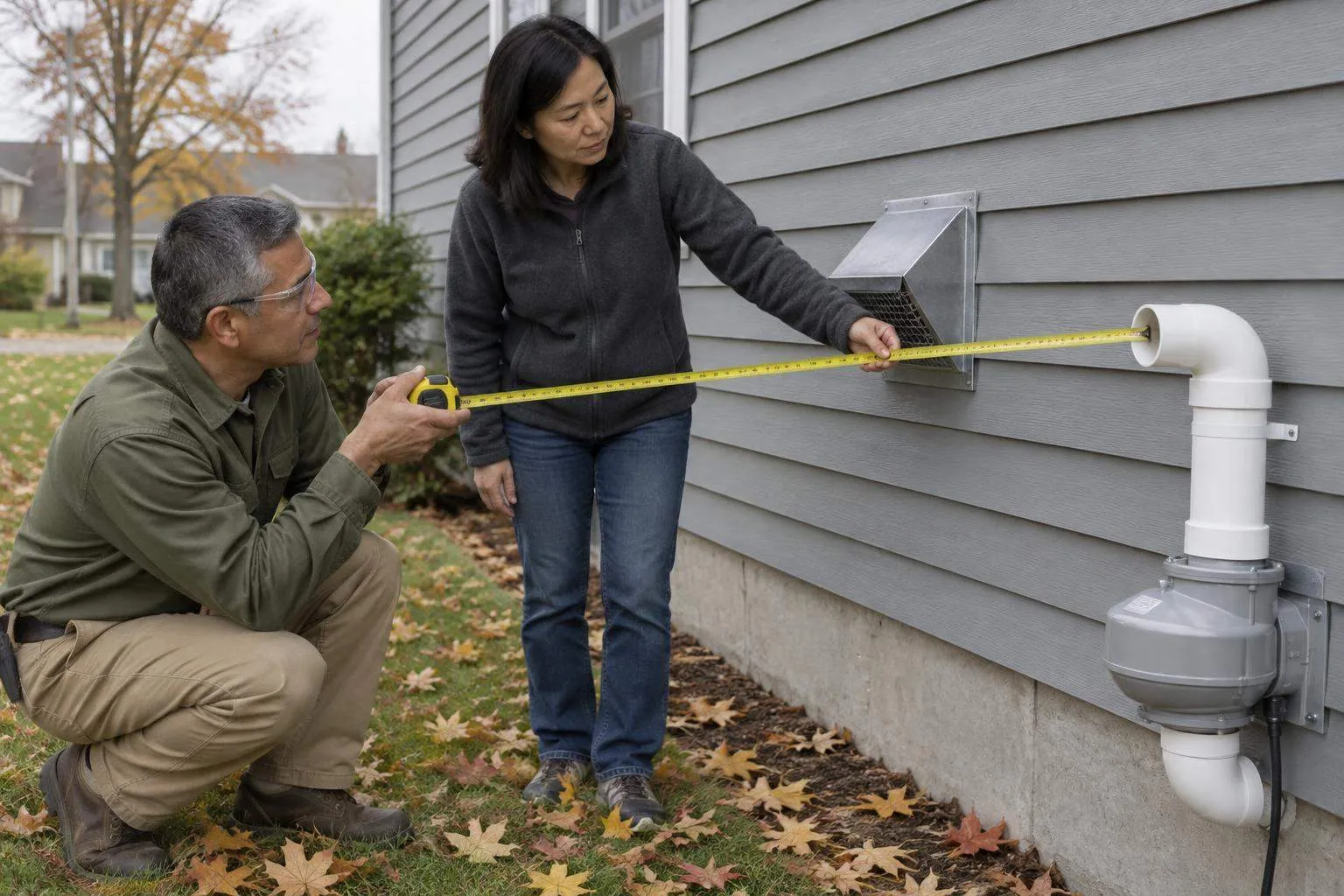
Are Cheap Radon Mitigation Contractors Worth It? The Real Cost of Cutting Corners
My neighbor Dave paid $750 to have his radon fixed last spring. The contractor came out, drilled a hole in his basement floor, stuck a pipe through the…
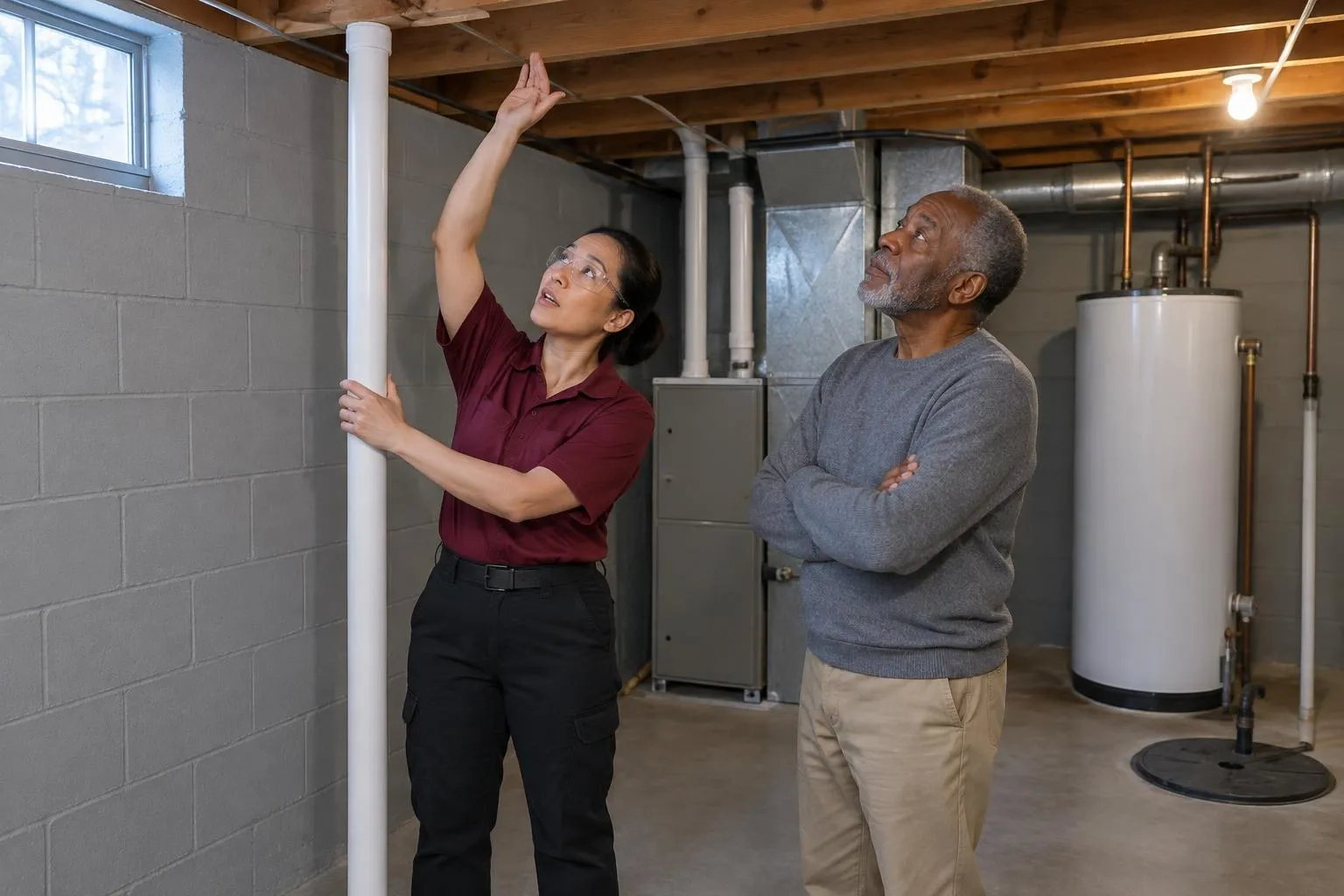
How to Choose a Radon Mitigation Contractor: What Nobody Tells You
No federal law requires radon mitigation contractor certification — anyone can do it. This checklist stops you from hiring the wrong one and paying twice.
Looking for more? Browse our full resource library or find radon mitigation contractors in other cities.