

Based in Athens, GA
Service area: “Atlanta, Athens, Roswell, and nearby areas in Northeastern Georgia, including Clarke, Gwinnett, a…”
Published service area ↗Compare curated radon mitigation pros, check certifications, read reviews, and request quotes — all in one place.
Map shows providers with a known office location. All providers are listed below.
No providers match this filter.
Providers with an office in the Atlanta area, matched by the ZIP code of their published address.
Based outside the Atlanta area, with Atlanta named in the service area on their own website.
Based in Athens, GA
Service area: “Atlanta, Athens, Roswell, and nearby areas in Northeastern Georgia, including Clarke, Gwinnett, a…”
Published service area ↗Also in Georgia: Athens area (1)
Need help choosing? Get matched with top providers in seconds.
0 providers selected
Are you a radon mitigation contractor in Atlanta? Already listed here: BPG Inspections, Cook's Radon, Cutcliff Radon Services and 10 more.
List your businessView curated providers, check certifications, and read real client reviews.
Select up to 5 providers and send your project details. Free, no obligation.
Compare quotes, check availability, and book directly with the provider.
Finding a qualified radon mitigation contractor in Atlanta shouldn’t feel like defusing a bomb blindfolded — but between unlicensed handymen marketing themselves as “radon guys” and out-of-state chains that charge premium prices for cookie-cutter installs, the local market has enough noise to make a careful homeowner nervous. This directory cuts through it: every contractor listed here holds active NRPP or NRSB certification, the two credentials that actually mean something when your report goes to a buyer’s lender or your family doctor.
Pro Tip: If you’re in a real-estate transaction, ask your contractor how many closings they’ve supported in the last 12 months. Atlanta’s hot resale market means experienced contractors know how to prioritize urgency, communicate with agents, and format reports that satisfy lender requirements.
Testing alone runs $150–$400 depending on whether you use a short-term (48-hour charcoal canister) or long-term (90-day alpha track) test; if you’re buying a house, budget for the faster short-term option. Mitigation installs in the Atlanta metro typically land between $800 and $1,500 for a standard single-point active soil depressurization system on a slab foundation — crawlspace or basement configurations with complex footprints run toward the top of that range or above it.
Reality Check: Lowball quotes under $700 almost always mean a smaller fan, a single suction point regardless of whether your slab needs more, and no post-mitigation test included. The post-test is where you confirm the system actually worked — skipping it to save $100 is how people spend another $400 fixing a system that was undersized from day one.
Atlanta sits in EPA Zone 2 (moderate radon potential), but that average obscures real variation: neighborhoods built on the Piedmont geology north of the city — think Sandy Springs, Roswell, and parts of Buckhead — see elevated readings more often than the flatter terrain further south. Georgia’s lack of state-level radon contractor licensing means the certification gap between the best and worst operators in this market is wider than in states like Ohio or Pennsylvania that regulate the trade directly, which makes the credential check non-negotiable here.
Radon Mitigation Contractor services in Atlanta typically run $800-$1,500 per mitigation install ($150-400 for testing only), depending on scope, complexity, and turnaround requirements. Expedited work and specialized equipment add cost.
Look for NRPP — it's the credential that separates qualified radon mitigation pros from the rest. Also verify insurance, check reviews, and confirm they can handle your project's specific requirements.
There are currently 13 radon mitigation pros listed in Atlanta, GA on RadonTrust.
Sponsored providers pay for more prominent placement on pages where they already qualify to appear. Payment does not change a provider's location, credentials or reviews, and it is not an endorsement. All providers on RadonTrust — sponsored or not — are real businesses.
Hire a radon mitigation contractor who actually fixes the problem: look for NRPP or NRSB…
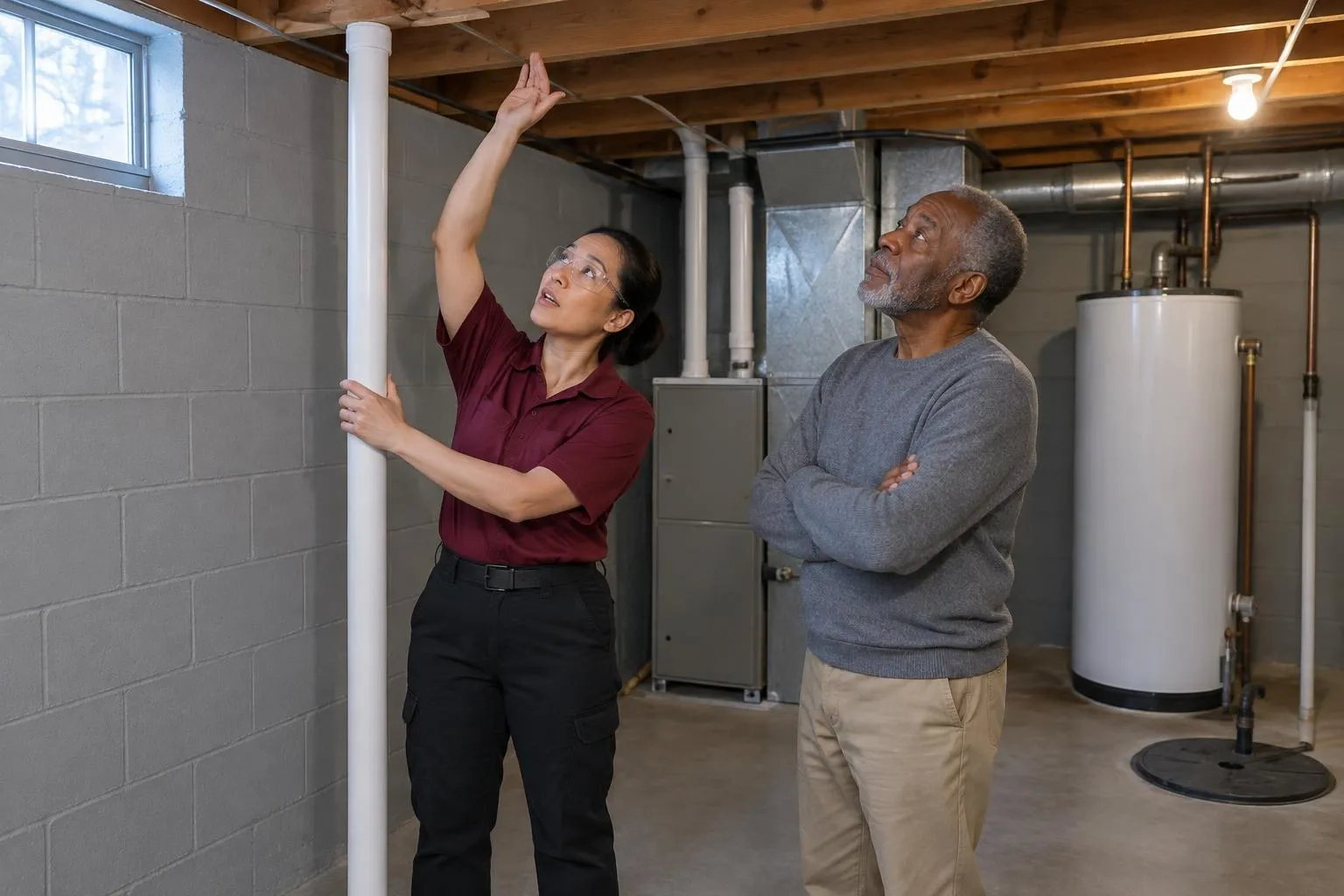
No federal law requires radon mitigation contractor certification — anyone can do it. This checklist stops you from hiring the wrong one and paying twice.
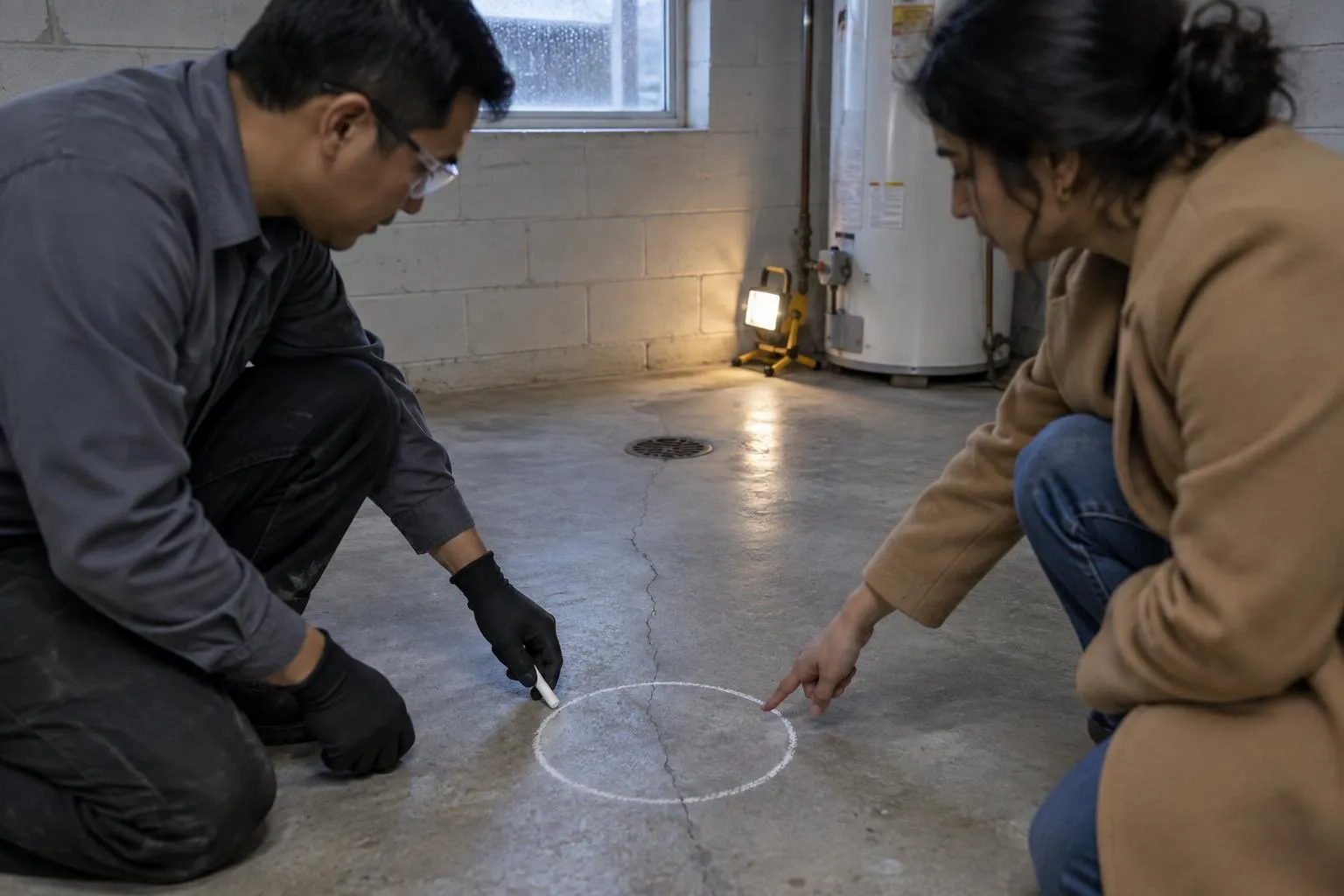
Radon at 6.8 pCi/L? A radon mitigation contractor can fix it in one day — but check for NRPP certification and a written guarantee below 4 pCi/L first.
Looking for more? Browse our full resource library or find radon mitigation contractors in other cities.