Get free quotes from radon testing and mitigation near you
Takes about a minute. Free, no obligation; providers reply to you directly.
My home office is in the basement. Has been for three years. I didn’t think much about it until a neighbor mentioned she’d gotten her radon tested and the number came back at 6.2 pCi/L — nearly double the EPA action level. Her office was also downstairs. We live on the same street. Same soil. Same everything.
That was the moment I stopped treating radon as someone else’s problem.
If you’re here because you’re working from home and wondering whether the contractor needs to actually show up — or whether there’s some virtual option that saves you the scheduling headache — I’ve done the digging. The answer is more nuanced than most people expect.
The Short Version:For testing, virtual guidance is often fine. For mitigation system installation, you need someone physically in your home — no exceptions. The pandemic-era data makes the stakes clearer than ever.
Key Takeaways
- Remote workers spend 2,000+ hours per year in the same home space, which meaningfully amplifies exposure even at “moderate” radon levels
- A University of Calgary study tracking 4,000+ homes found pandemic-driven remote work caused a 19.2% increase in radon exposure — the data is not hypothetical
- Professional mitigation systems reduce radon levels by up to 90%, but only when installed correctly by a certified contractor
- Virtual/remote contractor services have legitimate uses — just not for the mitigation installation itself
The Post-Pandemic Reality Check Nobody’s Talking About
Here’s what most people miss: radon exposure is a dose problem. It’s not just about the concentration level — it’s concentration × time. And remote work has blown up the time variable in ways that didn’t exist five years ago.
Pre-COVID, Americans spent roughly 66.4% of their time in primary residences. By the pandemic’s peak, that jumped to 77% — an additional 1,062 hours per year at home. The University of Calgary ran the numbers across 4,000+ homes and found a 19.2% increase in radon exposure directly attributable to this shift. A separate analysis put the figure at 20% higher exposure with 10.6% more time spent indoors.
If you’re a remote worker with a basement office and a radon level of 3.5 pCi/L — technically below the EPA’s 4 pCi/L action threshold — you may already be in territory worth treating. The math changed. Your contractor hasn’t necessarily caught up.
Reality Check:The EPA’s action level of 4 pCi/L was calculated assuming pre-pandemic occupancy patterns. If you’re home 77% of the time instead of 66%, your effective exposure is higher at any given concentration. Test first, then do the math.
What “Remote” and “In-Person” Actually Mean Here
The term “virtual radon contractor” gets used in a few different ways, so let’s be precise:
Remote/virtual services can include:
- Phone or video consultations to review your DIY test results
- Guidance on where to place test kits for accurate readings
- Virtual estimates and quotes based on photos/measurements you provide
- Post-installation check-ins via monitoring app
In-person services include everything that actually matters for mitigation:
- Professional measurement with continuous active monitors
- Site assessment (foundation type, sub-slab conditions, crawl space layout)
- System design (fan sizing, pipe routing, vent placement)
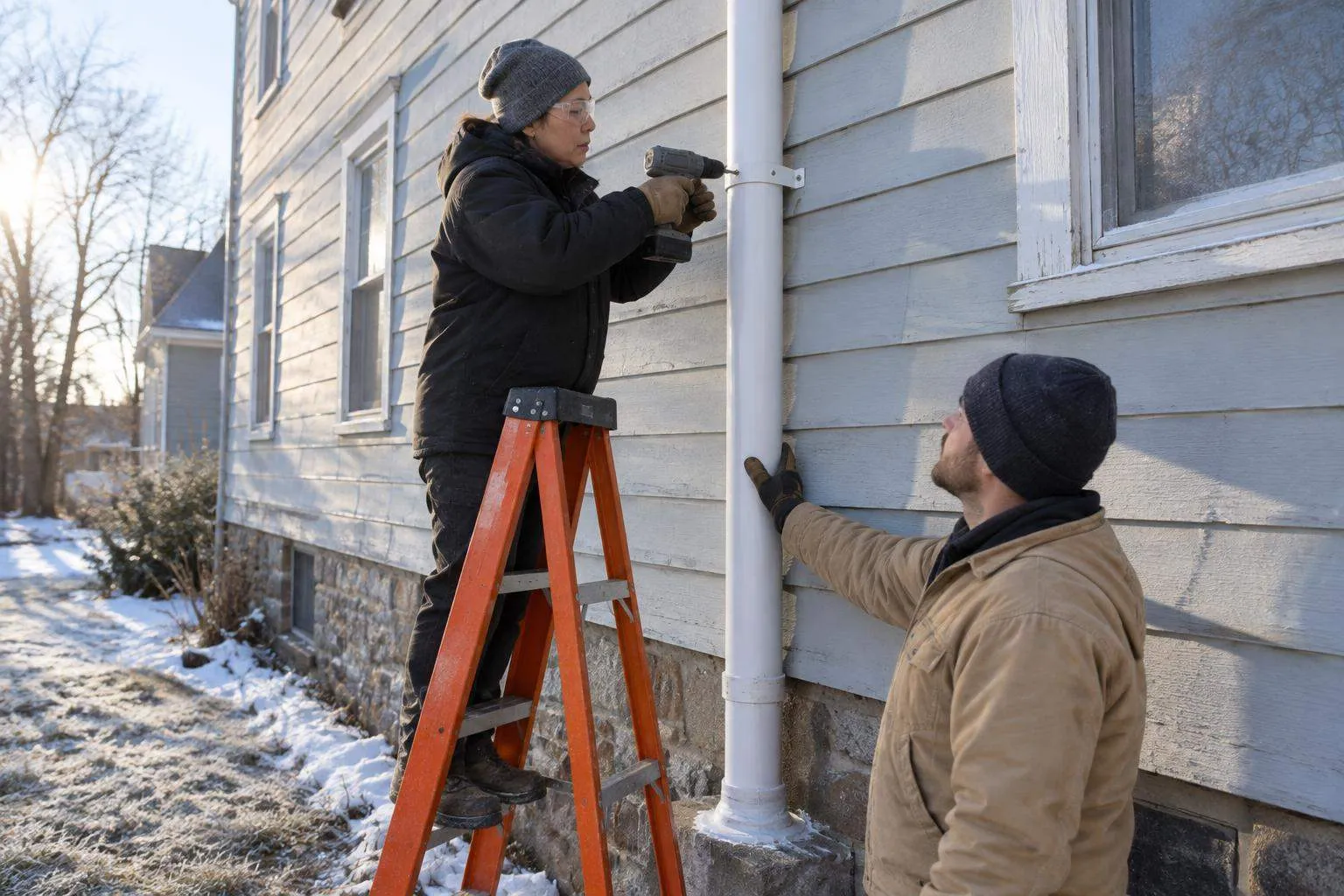
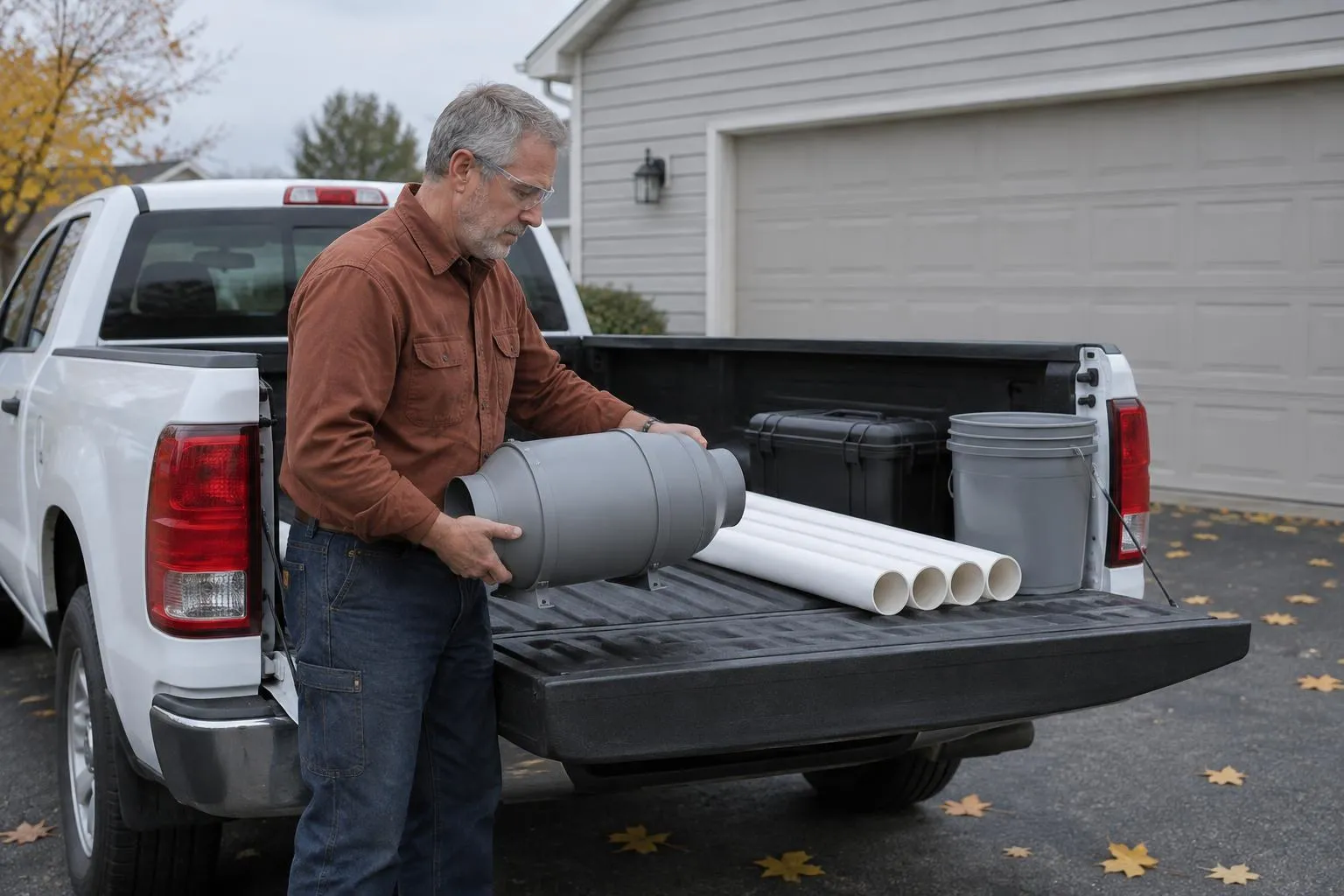
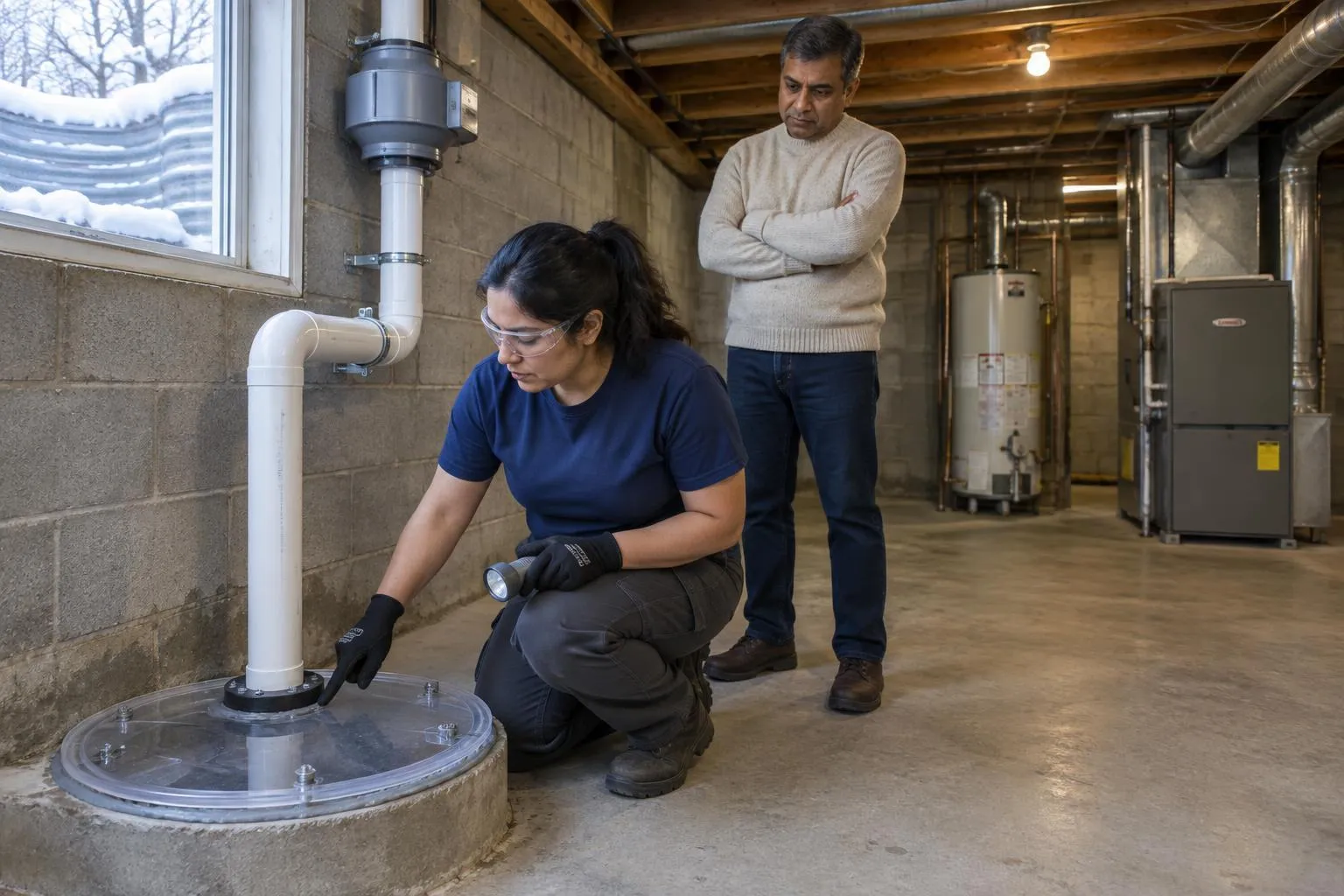
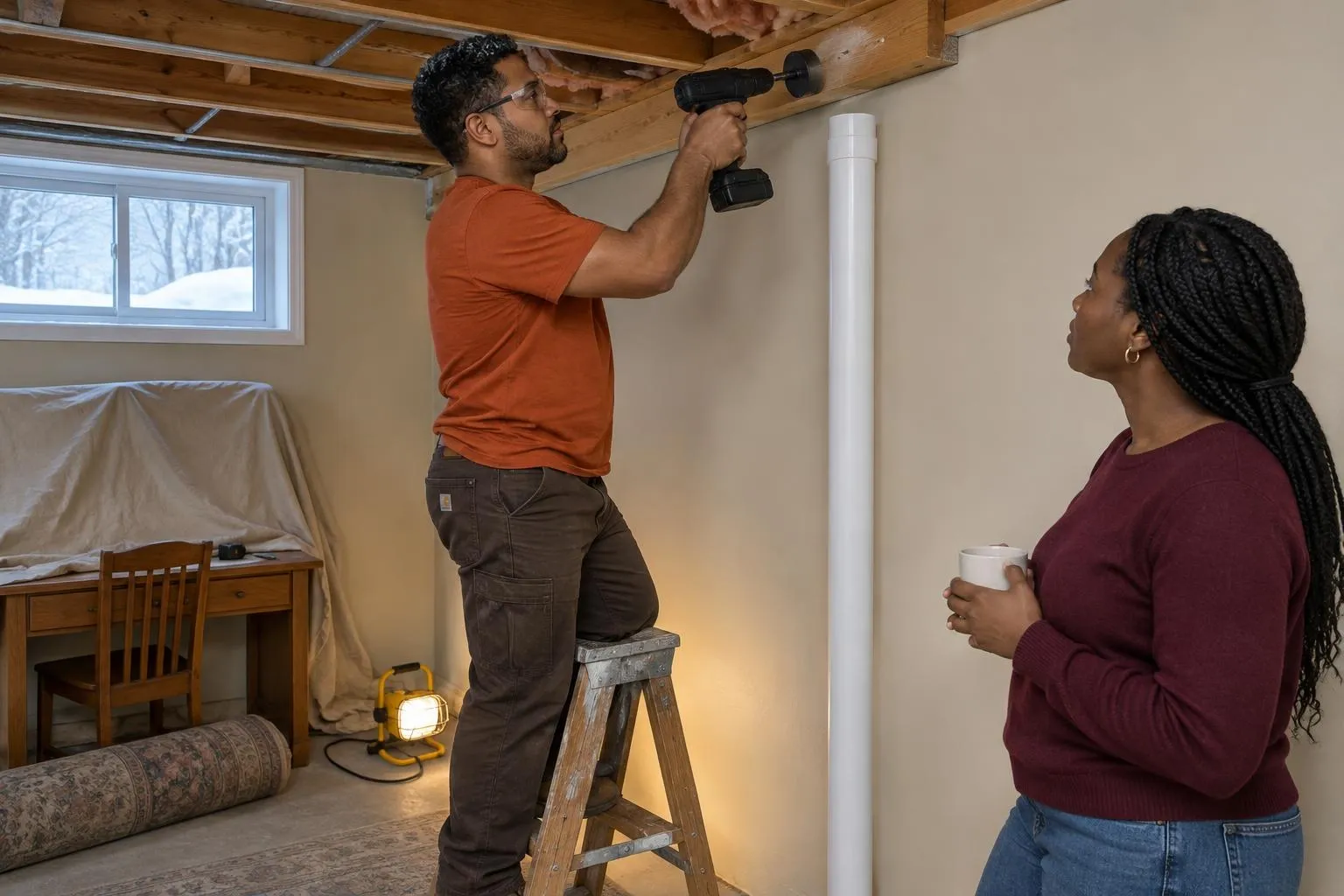
- Physical installation of the depressurization system
- Post-installation verification testing
The Comparison You Actually Need
| Scenario | Remote/Virtual OK? | In-Person Required? | Notes |
|---|---|---|---|
| Reviewing a DIY test result | ✅ Yes | No | Contractor can advise via phone/video |
| Deciding whether to test | ✅ Yes | No | Basic guidance, no specialized knowledge needed |
| Getting a ballpark quote | ✅ Sometimes | Preferred | Photos help, but foundation surprises change pricing |
| Choosing test kit placement | ✅ Yes | No | EPA guidelines apply uniformly |
| Professional measurement | ❌ No | ✅ Yes | Requires calibrated equipment on-site |
| System design and installation | ❌ No | ✅ Yes | Sub-slab conditions vary; cannot be assessed remotely |
| Post-installation verification | ❌ No | ✅ Yes | Requires physical measurement to confirm 90% reduction |
| Real-estate transaction documentation | ❌ No | ✅ Yes | Requires certified tester on-site for legally valid report |
One contractor I came across — American Radon Mitigation’s YouTube expert Jesse — frames it well: in-person estimates are preferred, but virtual consultations can work for early-stage guidance. That’s the right framing. Virtual is for the front end of the process; in-person is for everything that touches your home.
When Remote Guidance Actually Works
I’ll be honest — virtual radon consultations are genuinely useful in a narrow but real set of situations.
If you’ve already run a short-term test kit (valid for 2–90 days) and you’re looking at a number below 4 pCi/L, a quick call with a certified contractor can help you decide whether to run a long-term test (90+ days) for more confidence, or whether your result is clean enough to table it. That conversation doesn’t require anyone to visit your home.
Similarly, if you’re in a new area and trying to understand your EPA radon zone risk, or you’re in new construction planning and want to know whether passive mitigation features make sense, a remote consult is efficient and appropriate.
Pro Tip:Check that any contractor you consult — remote or in-person — holds NRPP certification (searchable at nrpp.info). Separate credentials exist for measurement and mitigation. A tester and a mitigator are not automatically the same person, and in some states like Minnesota, the same licensed contractor can do both — which raises conflict-of-interest questions worth asking about directly.
Why You Cannot DIY the Mitigation Installation
The research is consistent here. Professional installation costs $1,000–$2,500 depending on home size and system complexity. That feels like a lot until you understand what’s included: labor, compliance with local electrical codes, UL-listed components, proper vent clearances, and documentation for future real-estate transactions.
DIY installs get the fan sizing wrong. They vent into attics instead of above the roofline. They skip the pressure field diagnostic that tells you whether your sub-slab actually communicates. When they fail, you don’t know they’ve failed — because you haven’t done post-installation testing.
The professionals who get this right reduce radon levels by up to 90%. The ones who cut corners — or the homeowners who watch a YouTube video — don’t.
EPA guidelines are unambiguous: hire certified contractors, use UL-listed components, follow electrical codes, and retest every two years. That last part matters more than people think. New foundation cracks form over time. A system that worked at installation may need adjustment as the home settles.
Practical Bottom Line
Here’s where this lands practically:
-
If you work from home in a basement or lower level, treat testing as non-negotiable. The exposure math has changed since COVID, and the EPA’s two-year retest cycle exists for good reason.
-
Use virtual/remote services for: reviewing results, getting educated, early-stage quotes, understanding your zone risk. These conversations are efficient and don’t require a home visit.
-
Require in-person service for: professional measurement, mitigation installation, post-installation verification, and any documentation you’ll need for real estate.
-
Verify NRPP certification before hiring anyone. Ask whether the same contractor will do both testing and mitigation, and if so, why — it’s a reasonable question with a reasonable answer, but you should hear it.
-
Budget $1,000–$2,500 for professional installation if your test returns above 4 pCi/L. It’s a one-time fix that lasts years and reduces your exposure by up to 90%.
For a deeper grounding in how the mitigation process works end-to-end — including what happens during the installation visit and what questions to ask your contractor — see the Complete Guide to Radon Mitigation Contractors.
The virtual vs. in-person question has a clean answer once you map it to the right part of the process. Guidance is remote-friendly. Installation is not. Don’t let scheduling convenience push you toward a shortcut that the EPA and every certified professional in this field consistently warn against.
Done reading? Get quotes from radon mitigation contractors near you.
Takes about a minute. Free, no obligation; providers reply to you directly.
Popular cities:
Nick built RadonTrust because the radon industry still mixes measurement and mitigation in ways that create conflict of interest — the same pro who tells you your level is high often wants to sell you the fix. This directory surfaces independent, credentialed professionals first.