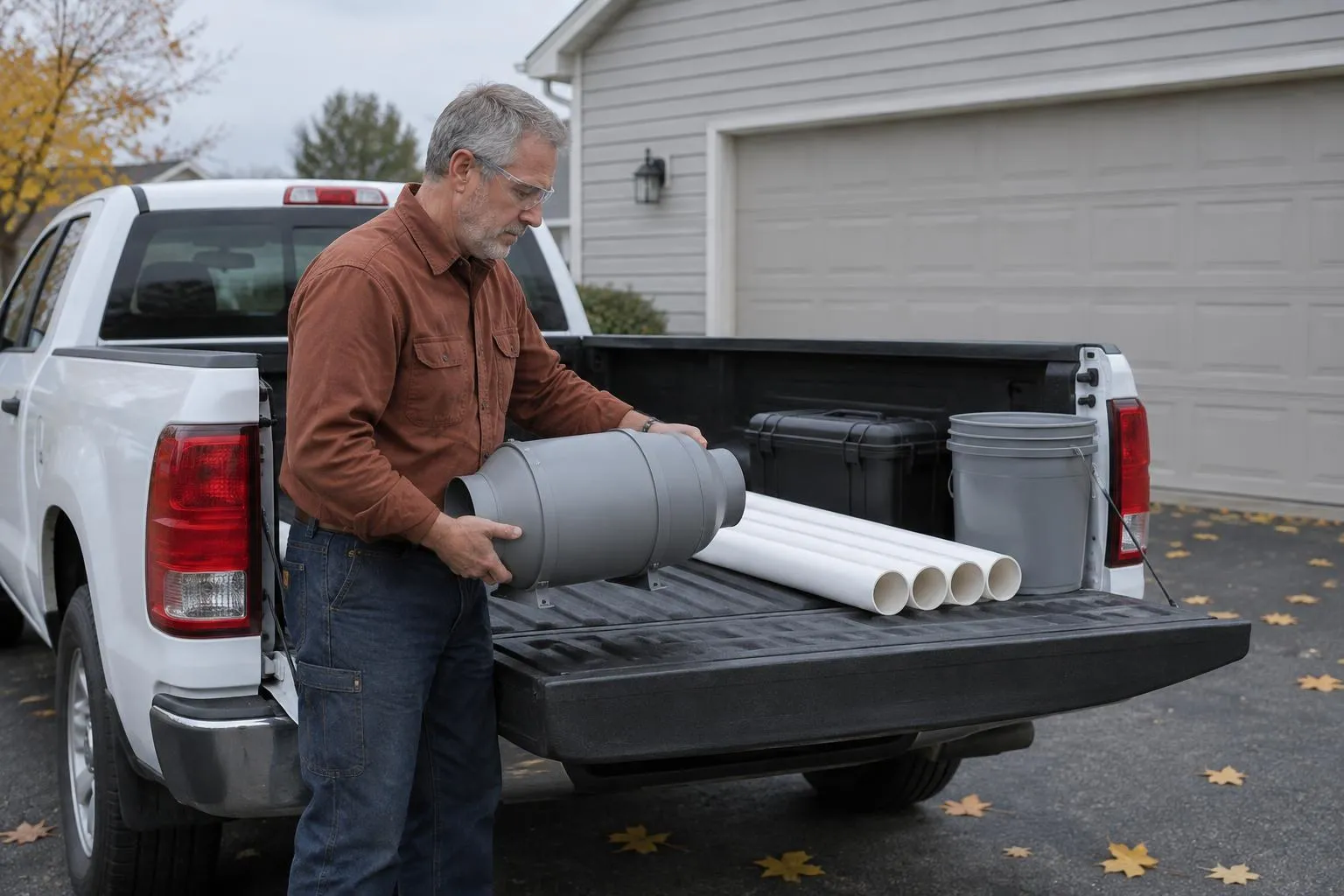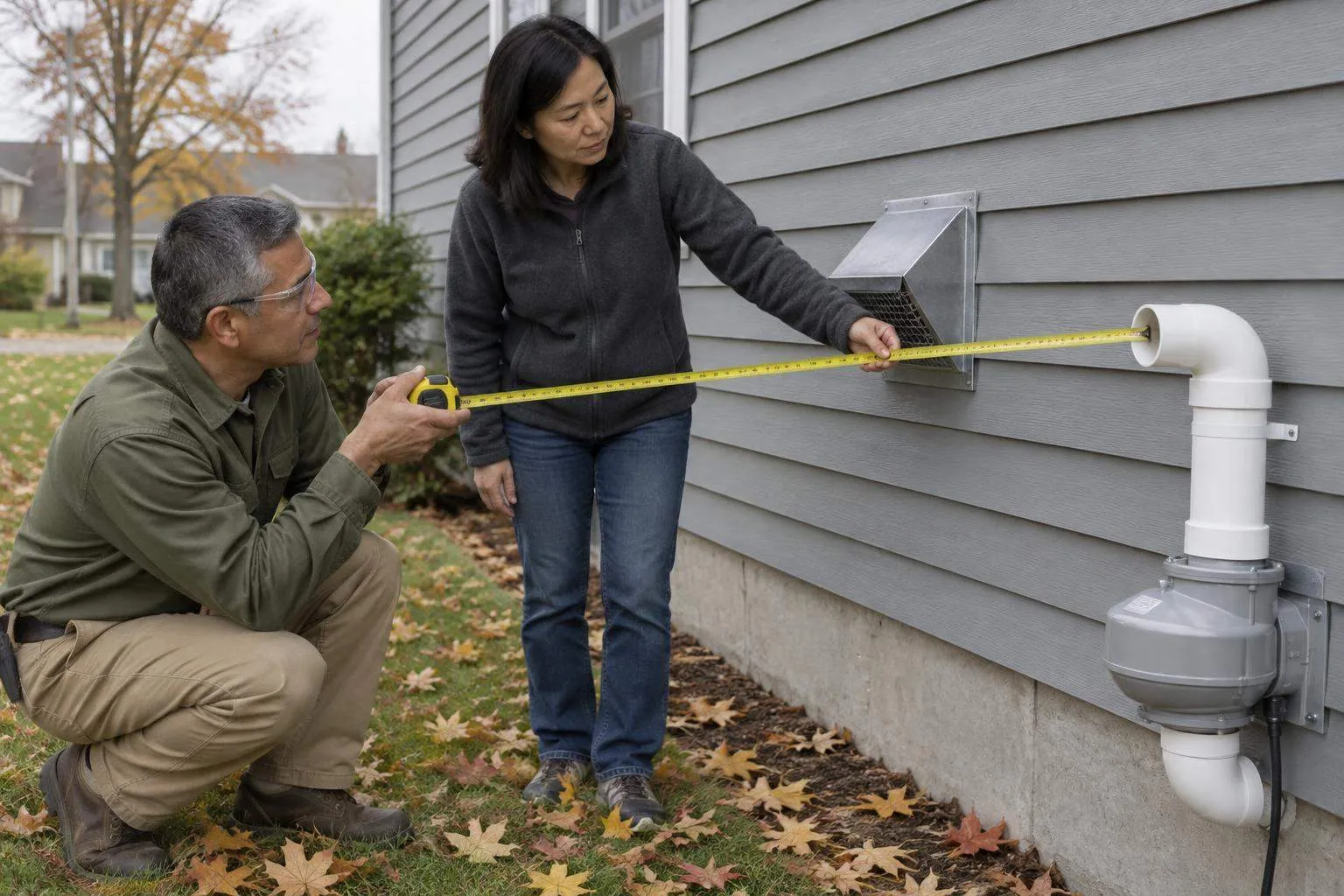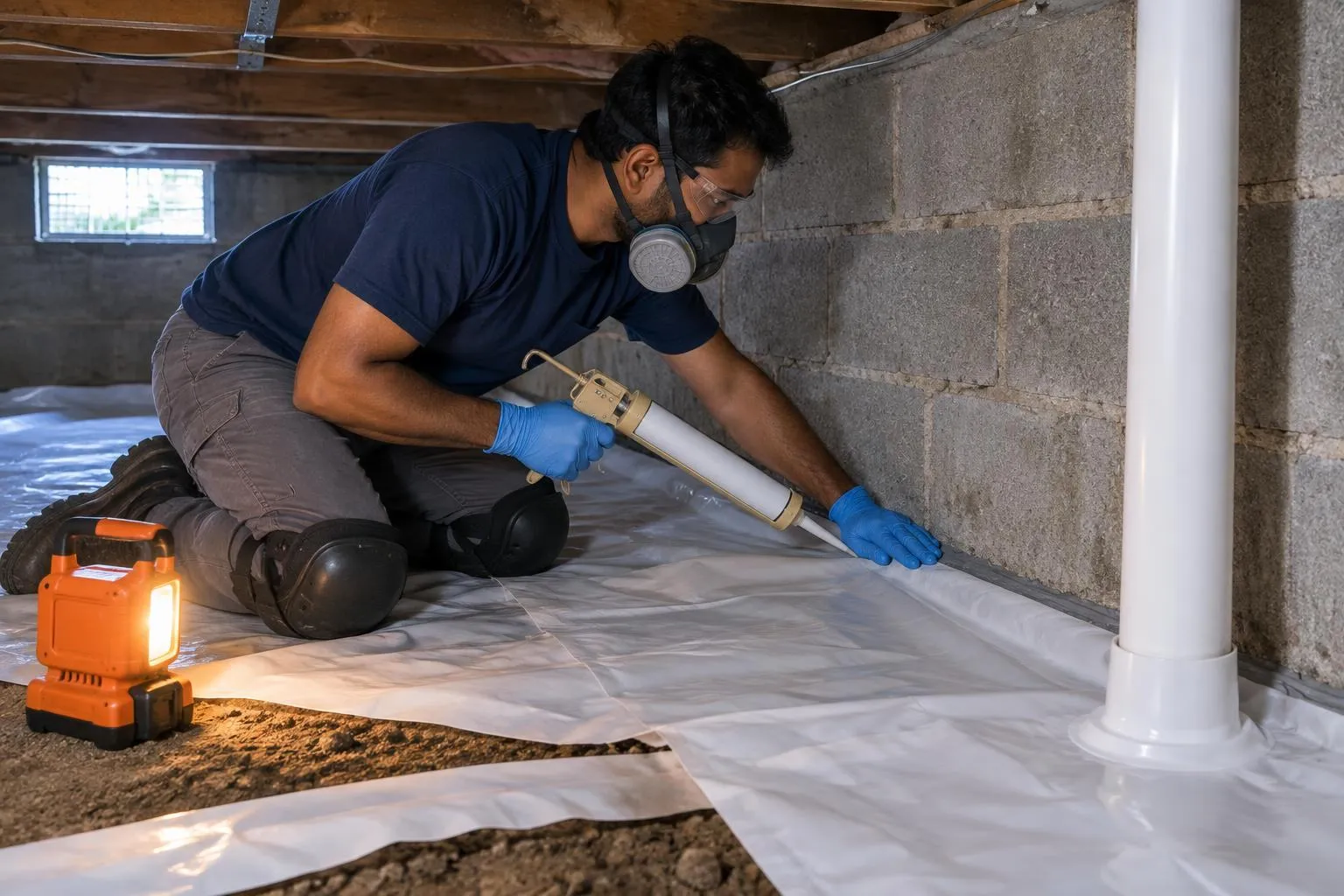
Get free quotes from radon testing and mitigation near you
Takes about a minute. Free, no obligation; providers reply to you directly.
My neighbor called me after a radon test came back at 11.2 pCi/L — nearly three times the EPA action level. She’d already gotten two bids. One from a guy with an NRPP certification, a liability policy, and a post-install test guarantee. Another from someone who found her on Nextdoor, offered to do it for $400 cash, and mentioned he’d “done a bunch of these.” She asked me which one to hire.
I told her it wasn’t even close. Here’s why that’s the right answer — and when it actually gets complicated.
The Short Version: In most states, anyone can legally call themselves a radon mitigation contractor. Certification from NRPP or NRSB is voluntary — but it’s the closest thing to a meaningful standard that exists. For most homeowners, hiring a certified contractor isn’t just the safer choice, it’s the only one that protects you legally and financially if something goes wrong.
category: “Comparison”
Key Takeaways
- No national radon contractor license exists; certification (NRPP or NRSB) is voluntary in the majority of states
- Uncertified contractors often undercut prices by skipping licensed electricians — which can mean code violations and failed home inspections
- In California, uncertified radon tests are legally invalid; violations carry fines up to $1,000
- A certified contractor’s proposal should include pre-design diagnostics, post-install testing to ≤4 pCi/L, warning devices, and a written guarantee
The Landscape Nobody Explains to You
Here’s what most guides miss: there is no federal radon contractor license. Zero. The EPA sets the 4 pCi/L action level, recommends certified contractors, and maintains a list of state radon offices — but it has no enforcement authority over who picks up a drill and installs a pipe through your foundation.
That vacuum is filled by two voluntary certifying bodies: the National Radon Proficiency Program (NRPP) and the National Radon Safety Board (NRSB). Both are EPA-recognized. Both require exams, hands-on training, and continuing education. Neither is required by law in most states.
So in Wisconsin, Minnesota (pre-2024), and dozens of other states, the guy who watched three YouTube videos and bought a PVC pipe can legally do the same job as someone who trained for 40 hours, passed a proctored exam, and carries $1 million in liability coverage.
That’s the problem.
Certified vs. Uncertified: The Actual Comparison
| Factor | Certified (NRPP/NRSB) | Uncertified |
|---|---|---|
| Training required | 24+ hours mitigation, 8+ hands-on, 16 measurement | None required |
| Exam | Yes (proctored) | No |
| Continuing education | 8 hrs/year (NRSB), periodic (NRPP) | No |
| Liability insurance | Typically required by certifying body | Optional, often absent |
| Post-install testing | Required under QA/QC standards | Discretionary |
| Legal validity (CA) | Valid | Tests invalid, fines up to $1,000 |
| Home sale inspection risk | Low | Higher — failed systems discovered during inspection |
| Electrician compliance | Follows code (e.g., licensed electrician for wiring) | Often self-performs, violating local codes |
| Recourse if system fails | Written guarantee + certifying body complaint process | Caveat emptor |
Certification costs contractors real money — NRPP’s Radon Mitigation Specialist runs $275 per two-year term, the NRSB’s RRS credential is $125/year. Professionals who bother with that overhead also tend to bother with proper diagnostics and insurance.
The $400 Nextdoor guy often undercuts on price by doing his own electrical work. In Wisconsin, that’s illegal — master electrician license required. Nobody enforces it until you try to sell your house.
Reality Check:“Uncertified” doesn’t automatically mean “incompetent.” Some experienced installers in non-licensure states have done hundreds of successful systems and simply haven’t pursued formal credentials. But here’s the thing: you have no way to verify their competency before the job. Certification gives you a third party that already did that verification — and holds them accountable afterward.
When Certification Matters Most (and When It Doesn’t)
Certification is non-negotiable when:
- You’re in a state with mandatory certification (California requires NRPP/NRSB plus a CA Contractors License; uncertified tests are legally invalid)
- You’re in the middle of a real estate transaction — home inspectors and buyers’ agents know to ask for certified installation records
- Your home has a complex foundation (crawl space, sump pump, multiple zones, poured concrete slab) — these require actual diagnostic skill, not just a pipe and a fan
- You have radon above 8 pCi/L — the higher the level, the more consequences if the system underperforms
- You want a legally defensible record for resale
Where experience can complement credentials:
- A small non-metro market with no certified contractors within 100 miles (find the closest NRPP/NRSB pro via their “Find a Pro” directory first)
- Straightforward sub-slab depressurization in a well-characterized foundation where you can independently verify the post-install test result
I’ll be honest: that second category is rare. Most homeowners can’t evaluate whether a diagnostic was done correctly or whether the fan sizing makes sense for their soil type. That’s exactly what the training covers.
Pro Tip:Don’t just ask if the company is certified — ask if the technician showing up to your house is certified. NRPP allows certified Radon Mitigation Specialists (RMS) to supervise Radon Mitigation Installers (RMI), but the installer can’t work unsupervised without their own credential. Get the individual’s certification number and verify it at nrpp.info or nrsb.org before the appointment.
What a Legitimate Proposal Looks Like
A certified contractor’s written proposal should include, at minimum:
- Their state/professional credentials and certifying body
- Proof of liability insurance and bonding
- Pre-installation diagnostic (pressure field extension test, visual inspection)
- System design rationale
- Post-installation test to verify reduction to ≤4 pCi/L
- Radon warning device
- Written guarantee on the result
If you get a bid that’s just “fan + pipe + labor, $450” with nothing else in writing, that’s your answer.
State-by-State Reality
Your state radon office is the authoritative source for local requirements — the EPA maintains regional contacts at epa.gov/radon. A few known reference points:
- California: Full mandatory certification (NRPP/NRSB + contractor license). Uncertified tests are legally invalid, violators are fined and reported.
- Wisconsin: No state licensure as of this writing, but electrical code requires a licensed master electrician for wiring — a step uncertified contractors routinely skip.
- Minnesota: Moved toward licensure in 2024; previously voluntary. Check current state office status.
- Most other states: Voluntary certification only. NRPP and NRSB “Find a Pro” directories are your starting point.
Practical Bottom Line
You came here with a real question: does the credential actually matter, or is it just a credential?
It matters — but not as a proxy for technical skill. It matters because it’s the only externally verified standard in a market with no licensing floor, because it creates accountability when systems fail, and because in some states your test results aren’t legally valid without it.
Your next steps:
- Check your state radon office for local requirements (many have changed recently)
- Search NRPP’s or NRSB’s “Find a Pro” directory before accepting any referral
- Ask for the individual technician’s certification number — not just the company name
- Require a written proposal that includes post-install testing to ≤4 pCi/L with a guarantee
- If you’re between certified contractors, prioritize the one who explains why they’re designing the system the way they are
For a complete breakdown of what mitigation systems actually involve and what to expect from the full process, read The Complete Guide to Radon Mitigation Contractors.
The $400 Nextdoor guy isn’t the deal he looks like. The credential isn’t just a piece of paper — it’s the paper trail that protects you when something goes wrong.
Done reading? Get quotes from radon mitigation contractors near you.
Takes about a minute. Free, no obligation; providers reply to you directly.
Popular cities:
Nick built RadonTrust because the radon industry still mixes measurement and mitigation in ways that create conflict of interest — the same pro who tells you your level is high often wants to sell you the fix. This directory surfaces independent, credentialed professionals first.