Get free quotes from radon testing and mitigation near you
Takes about a minute. Free, no obligation; providers reply to you directly.
A homeowner in Naperville, Illinois called me last fall, three weeks after her real estate transaction fell through. The buyer’s inspector had flagged a radon level of 6.2 pCi/L. She’d never heard of radon. Her contractor quoted her $1,800, she balked, tried to find a cheaper DIY workaround, and watched the deal collapse anyway. The system she eventually installed cost $1,600.
That gap between awareness and action — and the chaos in between — is exactly where the radon mitigation industry lives right now.
The Short Version:The radon mitigation market is in a genuine growth phase, driven by tightening real estate requirements, smarter detection tech, and expanding building codes. Expect pricing pressure from consolidation, smart monitoring in ~1 in 6 new installs, and a steady drumbeat of new state mandates. If you’re a homeowner or contractor navigating this in 2026, the fundamentals are shifting fast.
Key Takeaways
- The global radon mitigation market is on track to more than double by 2035, from $970M to $2.1B
- 15% of new 2024 installations now include digital radon sensors or Wi-Fi monitoring — up from near zero five years ago
- Illinois and Minnesota already mandate pre-installed systems in new homes; more states are in the pipeline
- Pricing for a standard basement ASD system ranges $1,200–$2,200 in most markets, with smart-integrated installs running higher
The Market Just Got Real
For years, radon mitigation was a niche trade — the kind of thing most homeowners only encountered during a home sale, and promptly forgot about afterward. That’s changing.
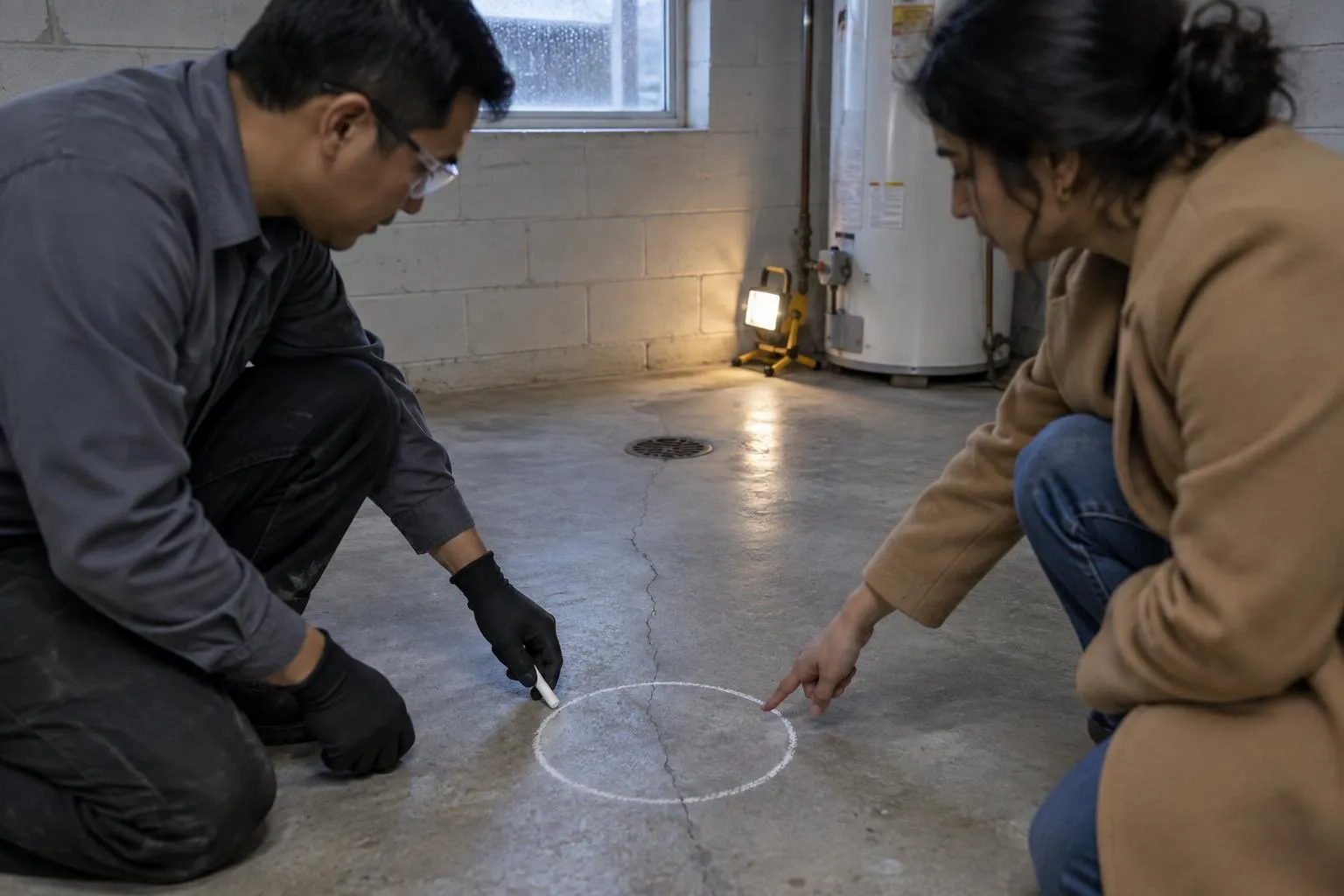
The U.S. now has 6.7 million residential units with installed mitigation systems, growing at 4–5% annually. In 2023 alone, 3.1 million North American homes were tested, and 780,000 of them — about one in four — came back above the EPA’s 4 pCi/L action level. Canada adds another 500,000 homes requiring remediation that haven’t been touched yet.
Nobody tells you this part: the demand isn’t being driven by health awareness campaigns. It’s being driven by real estate lawyers and mortgage underwriters.
Testing requirements in property transactions have expanded quietly but relentlessly. When an industry’s growth is baked into the transactional infrastructure of home buying, it doesn’t stall — it compounds.
The Tech Inflection Point
Here’s what most people miss about where the industry is headed: the installation itself is becoming the commodity. The monitoring layer is where the differentiation is happening.
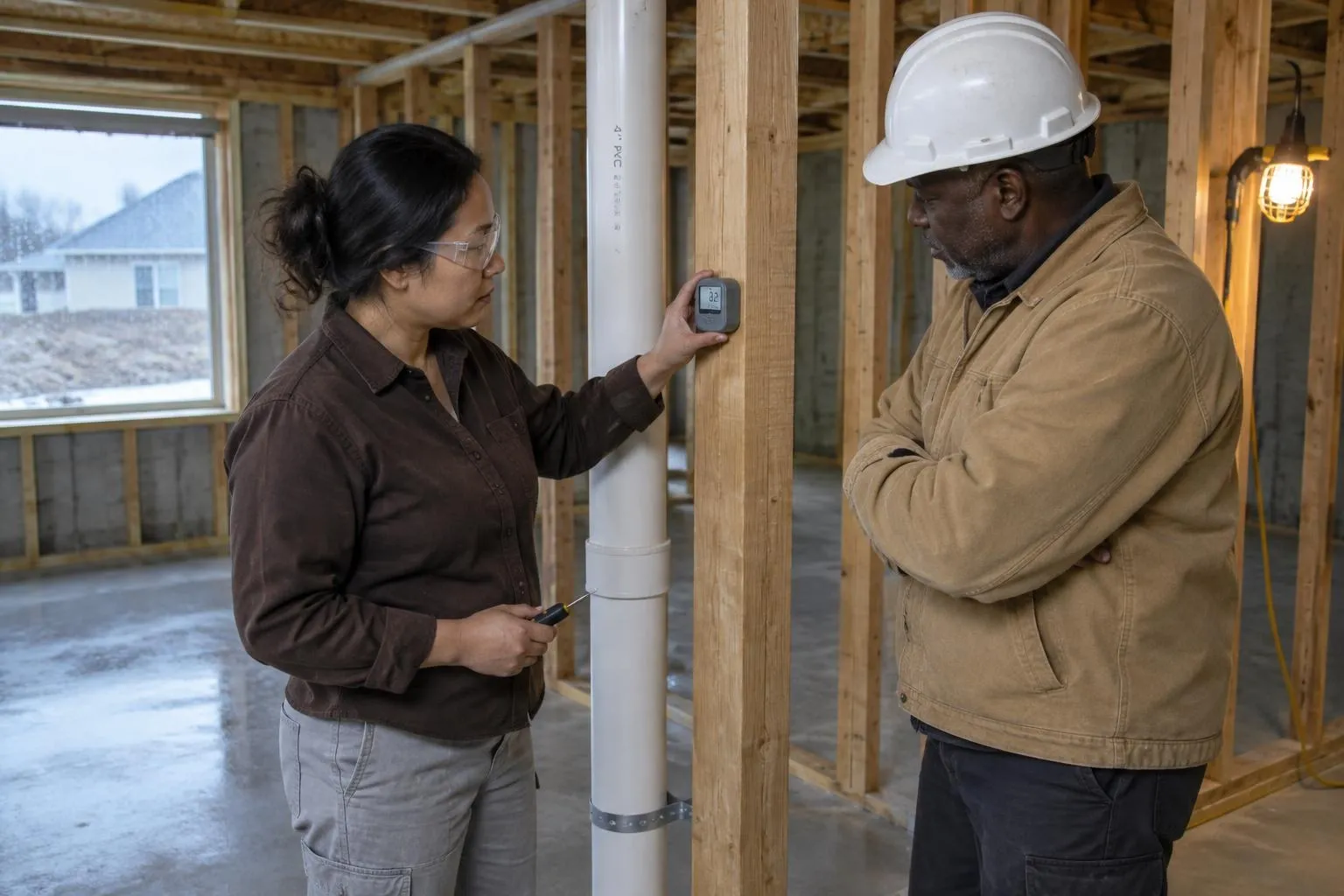
In 2024, 15% of new radon mitigation installations included digital sensors and Wi-Fi-connected monitoring. That number was functionally zero five years ago. Smart detectors push real-time pCi/L readings to homeowner apps, flag anomalies before they become problems, and create an ongoing service relationship that a one-time install never could.
| Installation Type | 2020 Adoption | 2024 Adoption | Trend |
|---|---|---|---|
| Standard ASD (no monitoring) | ~99% | ~85% | Declining share |
| ASD + digital/Wi-Fi sensor | <1% | ~15% | Rapid growth |
| AI-assisted predictive maintenance | Negligible | Emerging | Watch this space |
| Solar/renewable fan integration | Rare | Niche but growing | Regional demand |
The North American radon detectors market is projected to hit $416 million by 2027, up from $225 million in 2019 — an 8.2% CAGR that outpaces the mitigation hardware market itself. The sensor tail is wagging the installation dog.
Pro Tip:Contractors who bundle a smart monitoring subscription with installation are creating recurring revenue streams that the traditional one-and-done model can’t touch. Homeowners increasingly expect app connectivity from every device in their house — radon fans are no exception.
What Building Codes Are Actually Doing
The regulatory picture in 2026 is genuinely different from 2020.
Illinois and Minnesota now mandate pre-installed radon mitigation systems in new residential construction. Several other states expanded radon-related code requirements in 2022. Europe is further along — stricter EU guidelines are driving a retrofit wave across the continent, with Germany and Sweden running action plans targeting over 2 million homes combined. In 2023, the UK, Poland, and France saw a 25% increase in radon testing.
The practical effect for contractors: new construction work is becoming a more predictable revenue stream, and retrofit demand isn’t going anywhere.
Reality Check:Radon testing is growing, but the conversion from “tested positive” to “system installed” isn’t automatic. Homeowner-led testing jumped 40% between 2021 and 2023, but supply chain disruptions and labor shortages have created backlogs in high-demand markets. Government subsidies and tax incentives exist in some regions — they’re underutilized and worth flagging to clients.
Pricing in 2026: What the Numbers Actually Say
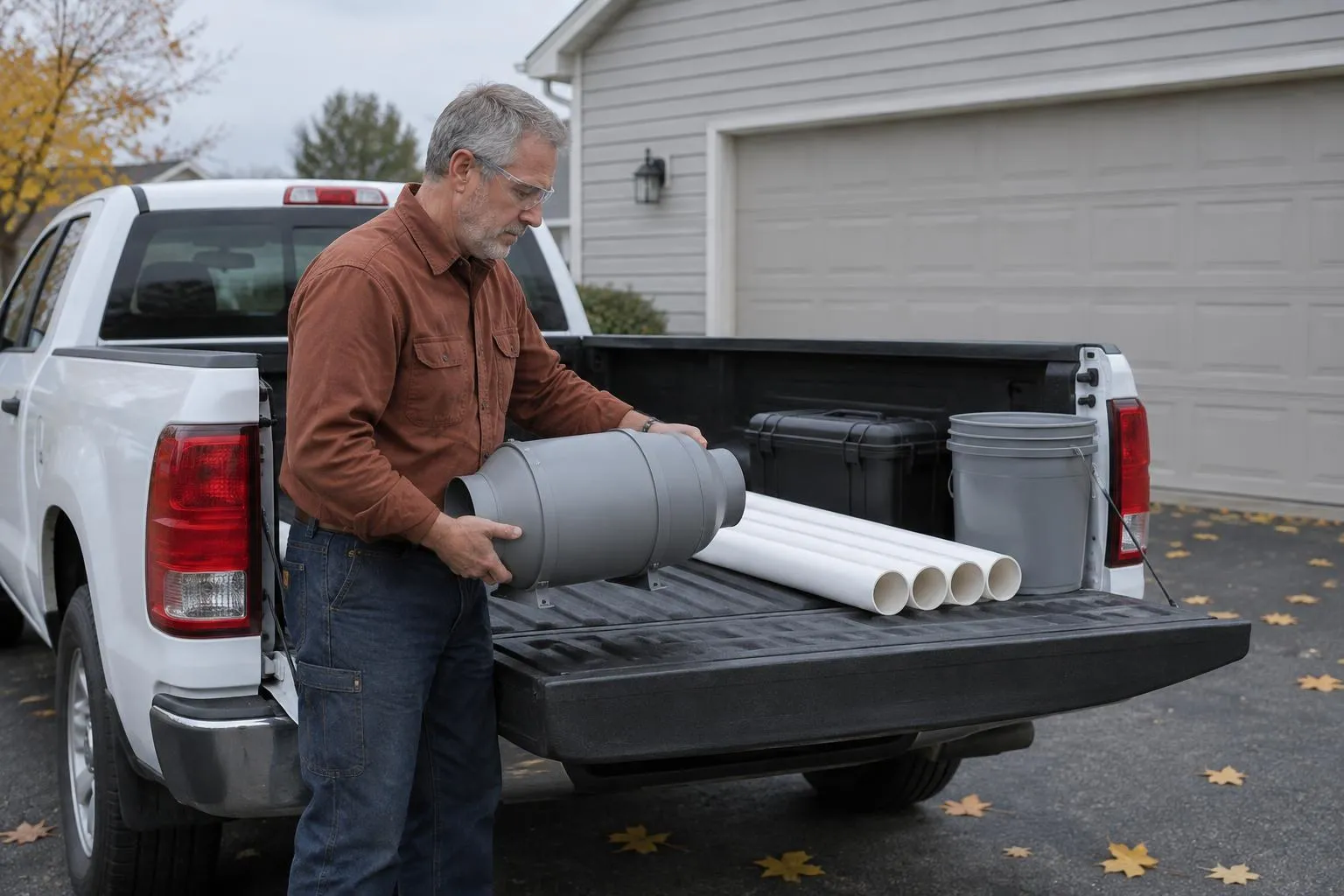
Standard active soil depressurization remains the workhorse — over 75% of global installations use ASD. Here’s where pricing lands across common scenarios:
| System Type | Low | Typical | High |
|---|---|---|---|
| Standard ASD (basement/slab) | $900 | $1,500 | $2,800 |
| Exterior routing | $1,200 | $2,000 | $3,800 |
| Two suction points / multi-zone | $1,400 | $2,300 | $4,200 |
| Crawl space sub-membrane | $1,500 | $2,600 | $5,500 |
Most normal basement or slab installs land between $1,200 and $2,200. The variance above that reflects labor markets, system complexity, and increasingly, the monitoring add-ons.
I’ll be honest: the pricing conversation is getting complicated by consolidation. Larger regional players with smart-system offerings can justify premium pricing that smaller independent contractors struggle to match. That’s a squeeze that’s going to intensify over the next few years.
The Consolidation Story Nobody’s Telling
National Radon Defense and similar franchise networks have been quietly positioning radon mitigation as a “resilient and future-proof” business — their words — because of its overlap with real estate, health, and home improvement. They’re not wrong.
But consolidation cuts both ways. Larger operators benefit from marketing scale and referral networks. Independent contractors benefit from local credibility, faster scheduling, and existing relationships with inspectors and real estate agents.
The certification piece matters more here than most industries. NRPP and NRSB credentials are separate for measurement vs. mitigation — and increasingly, real estate transactions are specifying certified professionals explicitly. DIY mitigation attempts are declining not because homeowners can’t buy the parts, but because complexity has outpaced the YouTube-tutorial model.
Practical Bottom Line
If you’re hiring a radon mitigation contractor in 2026, three things have changed that matter:
-
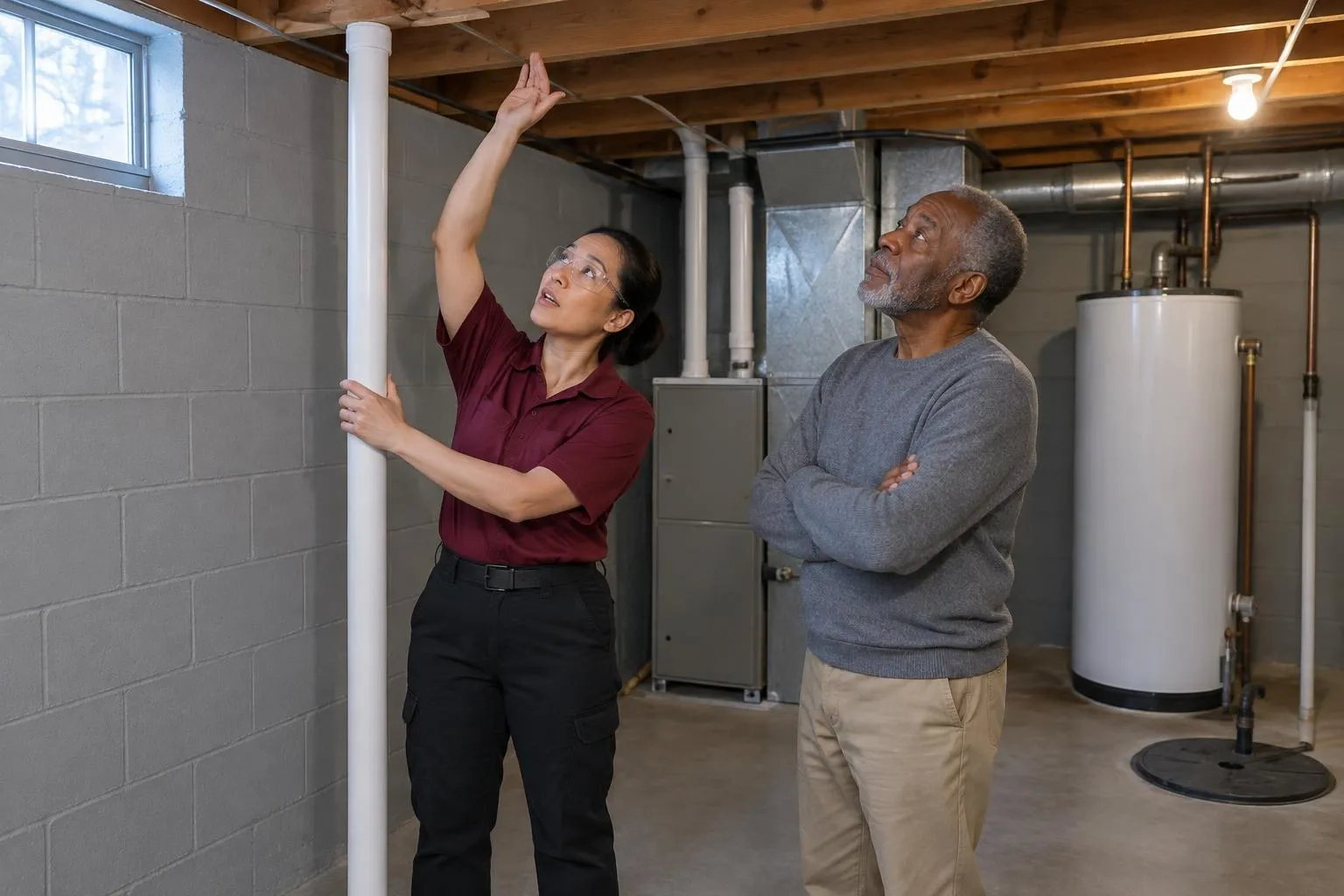
Ask about smart monitoring. A Wi-Fi-connected sensor isn’t just a gadget — it’s documentation. If your radon level creeps back up, you want to know before your next home sale, not during.
-
Check certification. NRPP mitigation credentials (separate from measurement credentials) are the baseline. In states with active code requirements, verify the contractor knows the local permit process.
-
Get the post-mitigation test in writing. The industry standard is a post-installation measurement documenting the before/after pCi/L reduction. Any contractor who skips this step is leaving you exposed.
For a full breakdown of how to vet and hire the right professional, see The Complete Guide to Radon Mitigation Contractors.
The market is maturing fast. The contractors who thrive in 2026 are the ones who treat a mitigation install as the beginning of a client relationship — not the end of a job.
Done reading? Get quotes from radon mitigation contractors near you.
Takes about a minute. Free, no obligation; providers reply to you directly.
Popular cities:
Nick built RadonTrust because the radon industry still mixes measurement and mitigation in ways that create conflict of interest — the same pro who tells you your level is high often wants to sell you the fix. This directory surfaces independent, credentialed professionals first.