Get free quotes from radon testing and mitigation in Houston
Takes about a minute. Free, no obligation; providers reply to you directly.
A friend texted me last spring: “radon test came back 6.2 — is that bad?” She was closing on a house in Katy in three weeks. She had no idea what pCi/L meant, no idea what a mitigation system cost, and no idea which of the twelve contractors she’d found on Google were actually certified to do the work.
I went down the rabbit hole. Here’s what I found.
The Short Version:Houston sits in EPA Radon Zone 2-3, so radon is a real but underappreciated risk — not the crisis it is in Colorado basements, but nothing to wave off either. The EPA action level is 4 pCi/L. If you’re above it, you need a contractor with NRPP certification (separate credentials exist for testing vs. mitigation). Three local firms worth your time: Southwest Radon Eliminators, GreenWorks Engineering & Design, and Pillar To Post. Get two quotes minimum, ask for a written post-mitigation test, and don’t pay anyone without verified credentials.
Key Takeaways:
- The EPA action level is 4 pCi/L — anything above that warrants a mitigation system, not just a retest
- NRPP certification is the credential that matters; ask for the certificate number and verify it at nrpp.info
- Houston’s slab-on-grade construction changes how systems are installed — not every contractor from out of state knows this market
- A good contractor delivers a written pre/post report documenting pCi/L levels before and after the system goes in
Why Houston Homeowners Underestimate This
Here’s what most people miss: radon gets treated as a “northern states problem.” The maps show EPA Zone 1 (highest risk) concentrated in the Midwest and Mountain West, and Houston sits comfortably in Zone 2-3, so people assume they’re fine.
That assumption is doing a lot of work it hasn’t earned.
Zone 2 means moderate potential — not zero. And Texas soil composition varies enough that individual properties can test well above the zone average. The only way to know your specific number is to test. A short-term test kit costs $15 at a hardware store. A long-term test (90+ days) is more accurate. Neither tells you anything useful if you don’t act on the result.
Reality Check:Real estate agents sometimes rush the radon conversation during transactions. A 48-hour test closed on a Thursday doesn’t give you negotiating room if the result comes back Friday morning. Build radon testing into your inspection timeline, not as an afterthought.
The Three Contractors Worth Talking To
Research on Houston-specific radon contractors surfaces a short list of verified providers. This isn’t a ranked list — your best option depends on your property type, timeline, and budget.
| Contractor | Certification | Focus Areas |
|---|---|---|
| Southwest Radon Eliminators | NRPP Certified | Residential + new construction |
| GreenWorks Engineering & Design | Licensed inspectors | Radon inspection, IAQ assessments |
| Pillar To Post | National franchise, local operators | Pre-purchase testing |
Southwest Radon Eliminators is the most specialized option on this list. They hold NRPP certification — which means separate credentials for both measurement and mitigation, not just one or the other — and they work with both existing homes and new construction. If you’re building in a Houston suburb and want a passive system roughed in before the slab pours, they understand that workflow.
GreenWorks Engineering & Design takes an engineering-first approach. Their inspectors use advanced equipment and frame radon as part of a broader indoor air quality picture. Useful if you’re dealing with a property that has multiple IAQ concerns and want everything assessed together.
Pillar To Post is a national home inspection franchise with Houston-area operators. Good for buyers who want radon testing bundled into a full home inspection. The trade-off: inspectors who do everything are generalists; a dedicated radon contractor is a specialist.
Pro Tip:Ask any contractor for their NRPP certificate number before you book. Verify it yourself at nrpp.info. Takes 90 seconds. The good ones will hand it over without blinking. Anyone who gets defensive about this question just answered it for you.
What Houston’s Construction Style Means for Your System
I’ll be honest — this is the part most online guides skip entirely.
Houston homes are overwhelmingly slab-on-grade construction. No basement, no crawl space. That matters because the most common mitigation approach — active soil depressurization (ASD) — works differently depending on what’s under your floor.
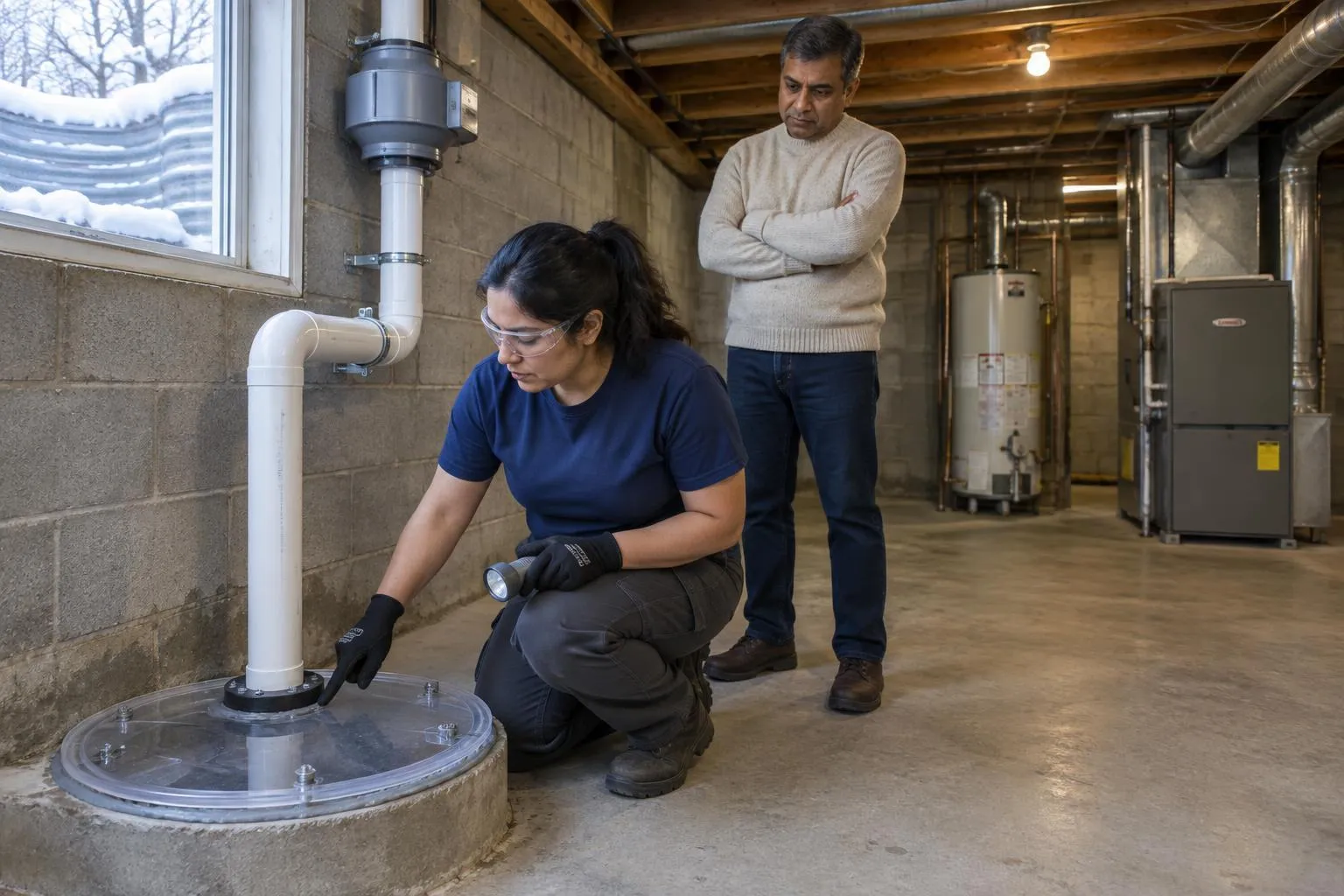
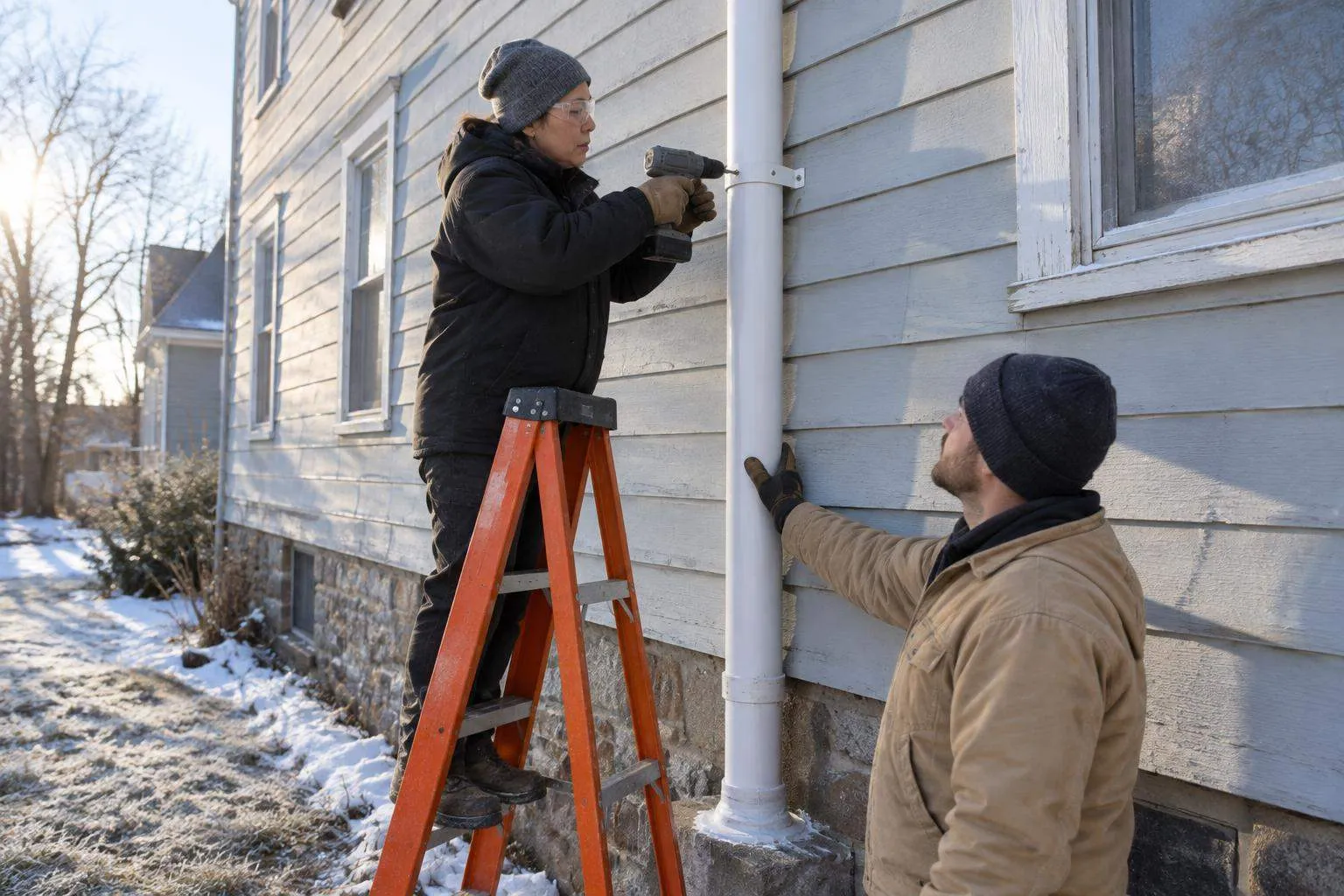
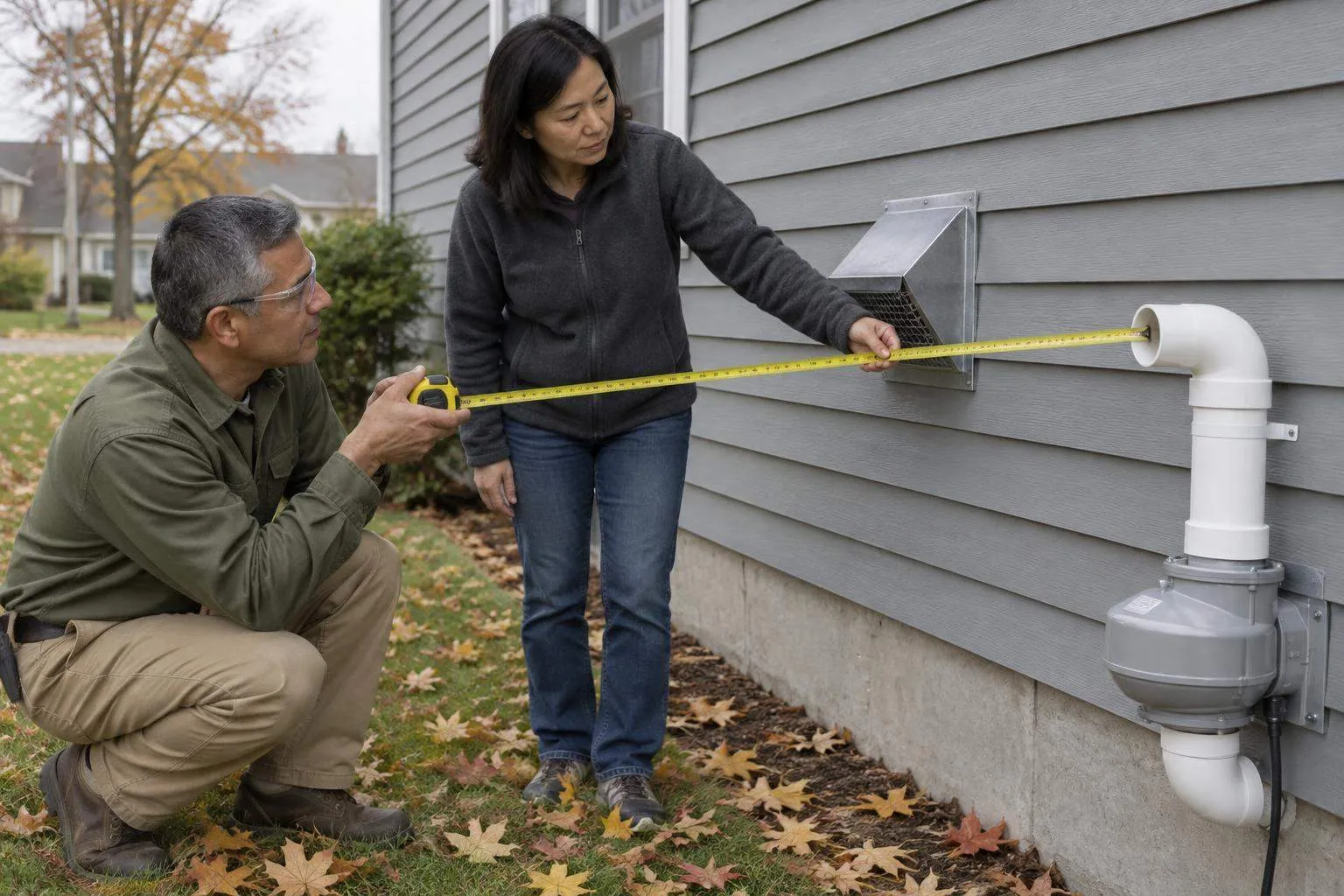
In a slab home, the contractor drills one or more suction points through the slab, connects PVC pipe, runs it through the home (often through a closet or garage wall), and exhausts above the roofline with a continuously-running fan. The fan creates negative pressure below the slab, pulling radon out before it enters living space.
Done right, a well-designed ASD system can bring radon levels from above 10 pCi/L down to under 2 pCi/L. The system runs 24/7 and costs roughly $20-40/year in electricity. A manometer on the pipe tells you at a glance whether suction is still present.
Nobody tells you this: some contractors install systems with the suction point in a suboptimal location relative to your slab’s sub-slab aggregate. A contractor who knows Houston’s soil and slab conditions will do a simple diagnostic before deciding placement. Ask how they determine suction point location.
How to Evaluate Any Contractor You Find
Beyond the three above, if you’re searching the Houston radon mitigation directory and evaluating options on your own, here’s the filter that matters:
Non-negotiables:
- NRPP or NRSB certification (verify the number)
- Written post-mitigation test included in scope
- Warranty on the system (parts + labor, ask for the term)
Good signs:
- They ask about your slab type and construction before quoting
- They explain the diagnostic process, not just the installation
- Client references they’ll actually put you in contact with
Red flags:
- Quote without a site visit
- No mention of post-mitigation testing
- Certificate they can’t verify online
Practical Bottom Line
If your test came back above 4 pCi/L, you’re not in an emergency — but you are past the point where “wait and see” is a reasonable strategy. The EPA sets 4 pCi/L as the action threshold because below that, the risk-to-cost math doesn’t clearly favor remediation. Above it, it does.
Here’s your sequence:
- Get a second test if your first was a short-term kit — long-term tests (90 days) are more reliable
- Contact 2-3 contractors from the list above or the Houston directory
- Verify NRPP credentials before booking anyone
- Ask specifically about slab-on-grade installation experience in Houston
- Get a written scope that includes pre-installation measurement, system installation, and post-installation verification test
For the full framework on what to look for in a mitigation contractor — including how to read a mitigation report and what the warranty should cover — see The Complete Guide to Radon Mitigation Contractors.
My friend in Katy? She hired Southwest Radon Eliminators, got a system installed before closing, and negotiated the cost off the purchase price. Her post-mitigation test came back at 1.1 pCi/L.
That’s the happy ending. The path there is just doing the homework in the right order.
Done reading? Get quotes from radon mitigation contractors in Houston.
Takes about a minute. Free, no obligation; providers reply to you directly.
Popular cities:
Nick built RadonTrust because the radon industry still mixes measurement and mitigation in ways that create conflict of interest — the same pro who tells you your level is high often wants to sell you the fix. This directory surfaces independent, credentialed professionals first.