Radon mitigation contractors listed in Los Angeles
See all 3 in Los Angeles →- 1National Environmental Health Association (NEHA) certified Radon Measurement Providers · Certified Industrial Hygienists (CIH)
Andersen Integrated Services is a consulting and construction firm providing environmental, engineering, health and safety, catastrophe response, and environmental compliance services. It provides radon testing and mitigation for commercial and residential spaces in Los Angeles, CA and states it has delivered solutions for different properties for the past 10 years.
- 2Thousand Oaks
Radon California provides radon testing and mitigation for residential and commercial buildings. It also offers new-construction radon services and serves Ventura County and most locations in Los Angeles County, Santa Barbara County, and San Luis Obispo County.
- 3National Radon Proficiency Program (NRPP) certified · State of California certified
Radon Testing Service Inc provides radon testing for residential, multi-family residential, and commercial properties in Southern California. Founded in 1991, it states that it is NRPP- and California-certified and that senior analyst ReveAnn Ellrott holds NRPP #100519RMP and a B.S. in Geo Science.
Get free quotes from radon testing and mitigation in Los Angeles
Takes about a minute. Free, no obligation; providers reply to you directly.
My neighbor called me in a panic last spring. She’d just gotten a home inspection report back on a Pasadena bungalow she was about to close on — buried on page 11 was a radon reading of 6.2 pCi/L. Her realtor told her “radon isn’t really a thing in California.” Her inspector shrugged. She called me because I’d gone down this rabbit hole a year earlier when I was looking at a San Gabriel Valley property with a basement.
Here’s what I learned: the “California doesn’t have radon” myth costs people real money and real health risk. The actual story is more complicated — and finding a qualified contractor in the LA area is harder than it should be.
The Short Version:There are only 78 CDPH-certified radon contractors in all of California, with just 2 BBB-listed businesses near LA proper. Expect to pay $1,600–$3,500 for mitigation — above the national average. Verify NRPP or NRSB certification before hiring anyone. For local options, browse the Los Angeles radon contractors directory.
Key Takeaways
- California requires CDPH certification for all radon professionals — uncertified operators can be reported to the state
- The LA metro has fewer local contractors than you’d expect; most serve multi-county Southern California regions
- Inland LA areas carry meaningfully higher radon risk than coastal neighborhoods — don’t assume low-risk based on zip code
- Bundling testing and mitigation with one firm typically saves money and simplifies the post-mitigation verification process
Why LA Is a Weird Market for Radon
The conventional wisdom — pushed by real estate agents who don’t want deals to fall through — is that Southern California is low-risk. And coastal LA largely is. EPA Zone 2 and 3 designations cover much of the metro.
But “lower risk” isn’t “no risk,” and the geology gets complicated fast once you move inland. The San Gabriel Valley, parts of the South Bay, and areas closer to the foothills can surprise you. Radon Testing Service Inc., one of the few firms in Southern California that integrates geologic radon potential analysis into their assessments, has documented this variation. They’re not quoting EPA zone maps — they’re looking at what’s actually under the slab.
Nobody tells you this when you’re closing escrow on a Highland Park Craftsman.
Reality Check:“EPA Zone 2 or 3” means predicted average indoor radon is below 4 pCi/L. It’s a statistical estimate, not a test result. Individual homes can read high anywhere. The only way to know is to test.
Who’s Actually Certified in the LA Area
This is where things get thin. California’s CDPH certification program requires all radon professionals to hold approval from either the National Radon Proficiency Program (NRPP) or the National Radon Safety Board (NRSB). That’s the right standard. The problem is the market: only 78 certified contractors exist statewide.
Near Los Angeles, the BBB lists two:
| Contractor | Location | Service Area | Contact |
|---|---|---|---|
| Radon Solutions California | Thousand Oaks, CA 91360 | LA County, Ventura, Santa Barbara, SLO, SoCal | (805) 908-9274 |
| Pulse Restoration | Rancho Cucamonga, CA 91739 | Inland Empire + greater SoCal | (909) 360-5300 |
Radon Solutions California is the more LA-County-focused option, explicitly listing Los Angeles County as a primary service area. Pulse Restoration comes at radon mitigation from a restoration background — useful if you’re dealing with a broader moisture or air quality situation, but confirm their specific NRPP/NRSB credentials before signing anything.
Angi also surfaces radon specialists matched by ZIP code with user reviews, which is worth checking if you want a wider comparison pool.
Pro Tip:Before you schedule anything, verify the contractor’s certification directly. Go to the CDPH portal or call (916) 449-5674. An uncertified operator offering suspiciously low quotes is not a deal — it’s a liability.
What Mitigation Actually Costs Here
Nationally, radon mitigation runs $800–$2,500. In California, plan for $1,600–$3,500. Urban labor rates, permitting in LA County, and limited contractor supply all push prices up 10–20% above the national average.
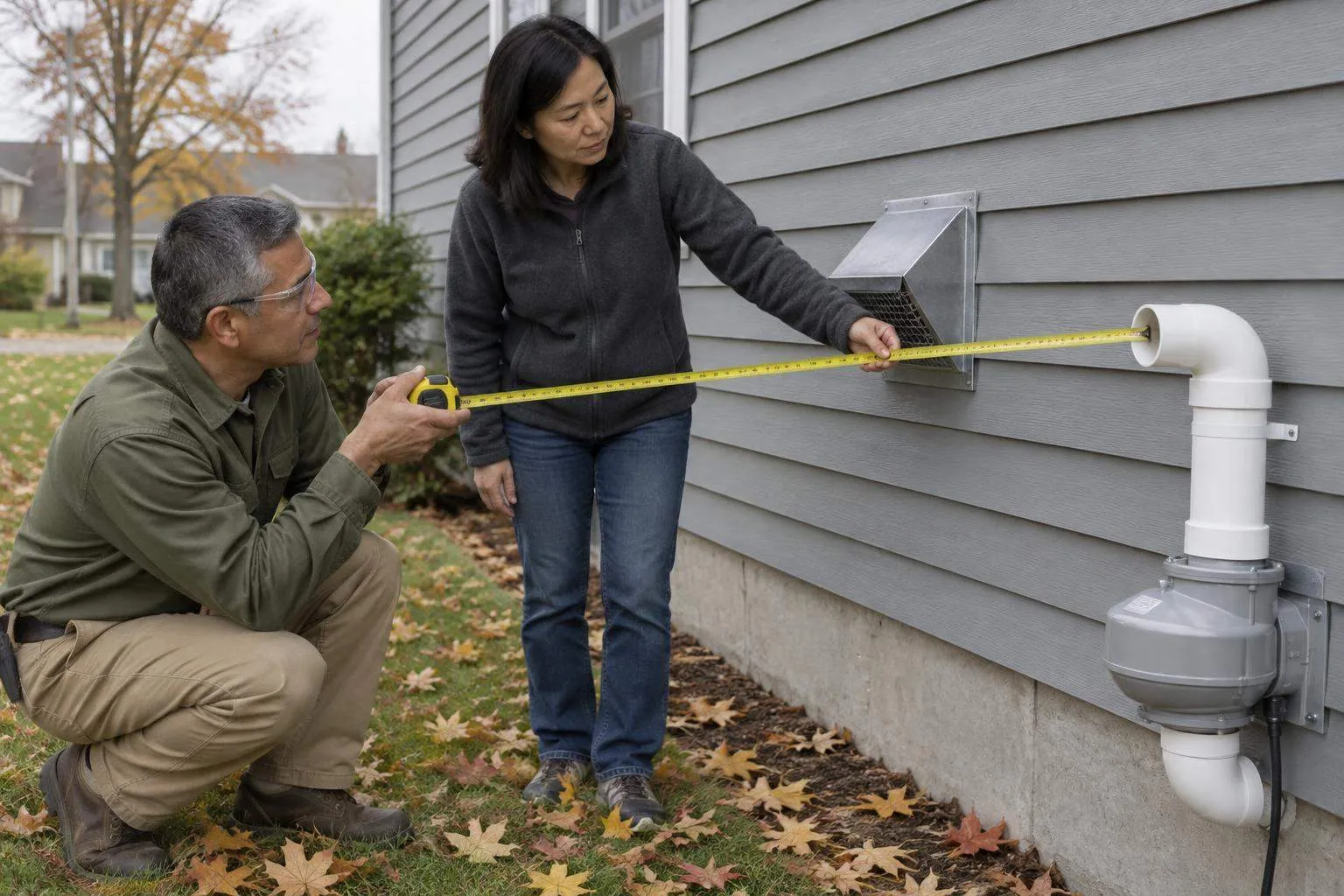
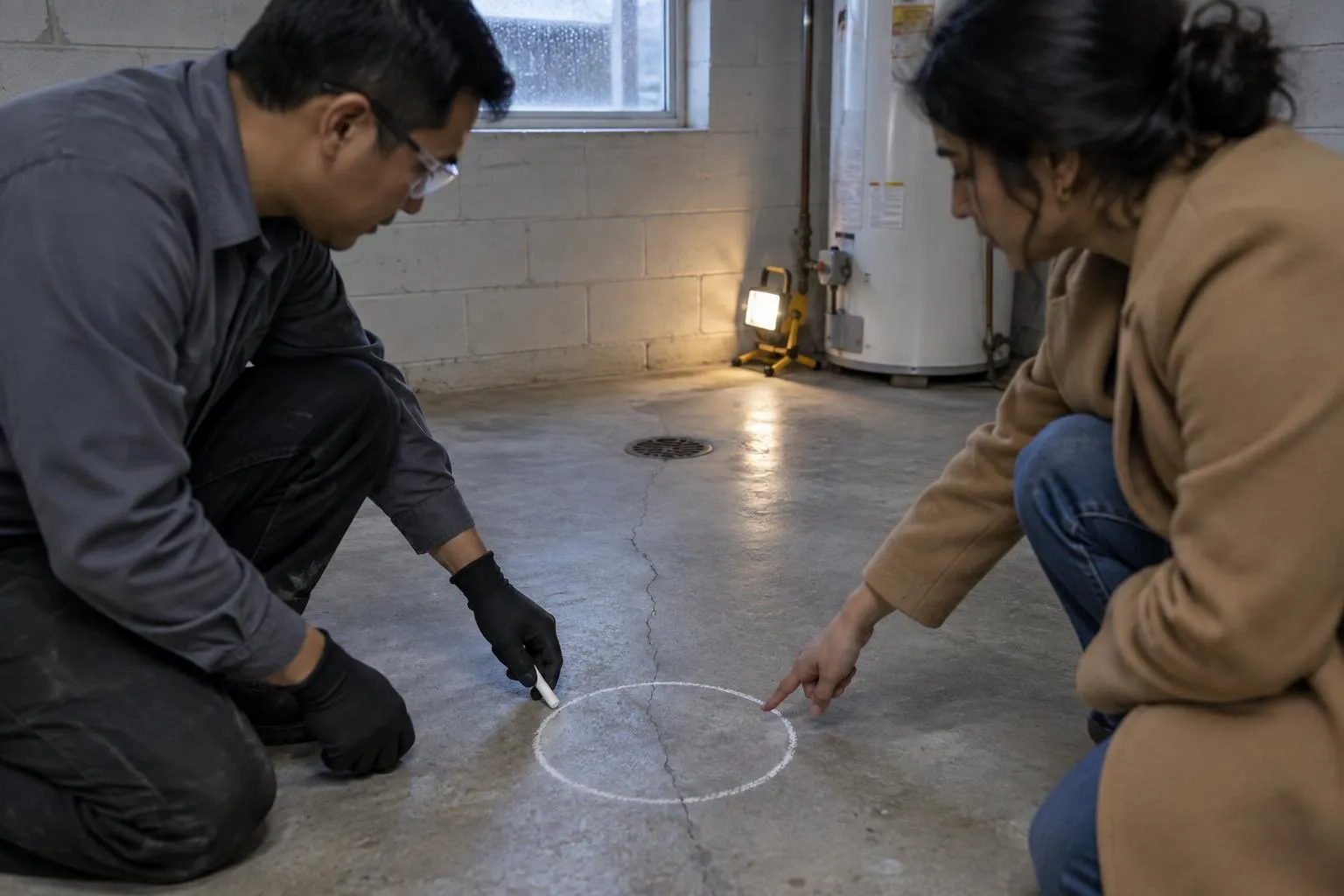
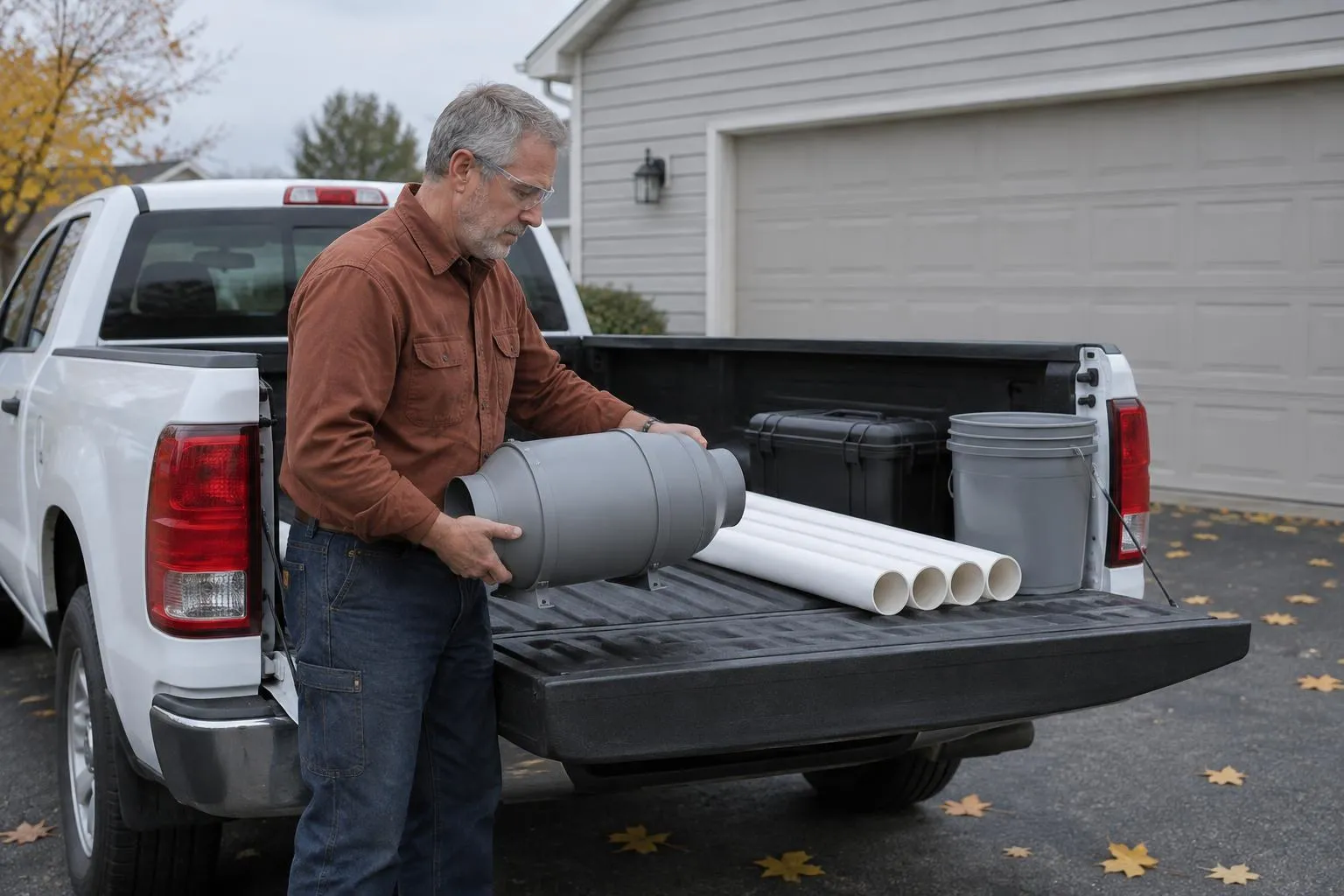
That range covers the standard fix: active soil depressurization (ASD), where a licensed contractor installs a PVC pipe through the slab, connects a fan, and vents radon gas above the roofline. Simple concept, meaningful engineering in execution.
What drives you toward the high end:
- Finished basements requiring interior pipe routing
- Multiple suction points needed (complex slab or crawlspace configurations)
- High post-test readings requiring more aggressive systems
- Post-mitigation verification testing (some contractors bundle this; confirm before signing)
The right move is to get 3–5 quotes. Use Angi’s ZIP matching to cast a wide net, then filter to CDPH-certified contractors before you call anyone. If a firm offers testing and mitigation together, ask about bundle pricing — you’ll often save $150–$300 versus separate engagements.
The Hiring Process, Step by Step
1. Test first, ask questions second. Short-term tests (48-hour minimum, EPA standard) give you baseline data. Long-term tests over 90+ days are more accurate but not always practical. If you’re in escrow, short-term is fine.
2. Get your certification verification in writing. Ask every contractor for their NRPP or NRSB credential number. Real pros will hand it over without hesitation.
3. Require a post-mitigation test. Any contractor who doesn’t offer or insist on post-installation verification testing is cutting corners. The system should demonstrably drop your reading below 4 pCi/L — that’s the EPA target.
4. Ask about annual re-testing. High-risk zones and older mitigation systems warrant yearly checks. Some firms offer maintenance agreements.
5. Get the warranty in writing. Reputable contractors stand behind their systems. Ask specifically what happens if post-mitigation readings stay elevated.
For a full breakdown of how to evaluate any radon professional — credentials, what questions to ask, red flags to watch — see the Complete Guide to Radon Mitigation Contractors.
Practical Bottom Line
If you’re buying a home with a basement or ground-contact slab anywhere in the greater LA area — especially inland, in the San Gabriel Valley, or near the foothills — test before you close. Don’t accept “California doesn’t have radon” from anyone who doesn’t have a pCi/L reading to back it up.
Your next three moves:
- Order a test kit (long-term if you have time, short-term if you’re in escrow) — under $30 at most hardware stores
- Browse verified local options on the Los Angeles contractor directory and cross-check credentials via CDPH
- Get at least three quotes from CDPH-certified, NRPP/NRSB-credentialed contractors before committing
The contractor pool in LA is thin. That makes verification more important, not less. Do the homework, and the fix itself is straightforward.
Done reading? Get quotes from radon mitigation contractors in Los Angeles.
Takes about a minute. Free, no obligation; providers reply to you directly.
Popular cities:
Nick built RadonTrust because the radon industry still mixes measurement and mitigation in ways that create conflict of interest — the same pro who tells you your level is high often wants to sell you the fix. This directory surfaces independent, credentialed professionals first.