Radon mitigation contractors listed in Miami
See all 6 in Miami →- 1MRSR2683 - FL Licensed Mold Remediator · CBC1269223 - FL Licensed Building Contractor
AdvantaClean of Fort Lauderdale provides property restoration and indoor air quality services for homes and businesses, including radon testing and radon mitigation. The local team is led by owner Mariano Llorian and serves Fort Lauderdale-area communities.
- 2Certified by the Georgia Department of Natural Resources’ Environmental Protection Division · Georgia Tech Environmental Engineer
Asbestos Removal Pro provides radon mitigation for homes, schools, and commercial buildings in South Florida. The business says it was founded by Georgia Tech Environmental Engineer Mario Ramirez and also provides asbestos removal and abatement services.
- 3Florida-certified radon professional
Florida Department of Health certified radon mitigation business. Serves Broward, Palm Beach, Miami Dade counties and statewide. Certification expires 08/11/2026.
- 4State Licensed Inspectors · state-certified inspectors
Florida Inspections Unlimited provides home, commercial, environmental, and insurance inspection services in South Florida. It offers radon testing for residential, commercial, school, and water-testing contexts. The business states it has operated since 2008 and uses state-certified inspectors for radon testing.
- 5IICRC Firm #261962 · Florida Home Inspector License #HI548
RMI Inspections & Restorations, operated by Robert Melendez, provides residential and commercial inspections, radon testing, indoor air quality sampling, blower door testing, and mold remediation. The business states it has over 30 years of home inspection experience and serves South Florida.
Get free quotes from radon testing and mitigation in Miami
Takes about a minute. Free, no obligation; providers reply to you directly.
A client forwarded me a radon test result last spring — 6.8 pCi/L in a Miami condo she was about to close on. Her agent told her not to worry about it. “Miami’s not a radon state,” he said. She almost believed him.
She was wrong to almost believe him, and he was wrong to say it. Florida doesn’t have the geology of Colorado or Minnesota, but radon doesn’t care about your preconceptions. It seeps through soil, through concrete slabs, through the same construction gaps that let in South Florida’s humidity. And when it does, it accumulates — especially in tightly sealed, air-conditioned homes.
The Short Version:Miami has real radon risk, even though it flies under the radar. The Florida Department of Health certifies mitigation contractors specifically because the problem exists. If a test comes back above 4 pCi/L, hire a certified specialist — not a general contractor, not a handyman. Four certified companies serve the Miami metro in 2026, and one (EnviroHome) is the only Florida company trusted by the DOH to train other radon professionals.
Key Takeaways:
- Florida requires state certification for radon mitigation — don’t hire anyone without it
- The EPA action level is 4 pCi/L; at 6.8 pCi/L like my client’s condo, you act immediately
- EnviroHome (786-791-2554) is the only DOH-endorsed training provider in Florida, making them the default starting call in Miami
- Active soil depressurization (ASD) is the standard fix — a certified installer handles it in one visit
Why Miami Homeowners Underestimate This
Here’s what most people miss: the “radon map” narrative that dominates Google results is mostly useless at the neighborhood level. Yes, EPA Zone 1 (high potential) skews toward the Midwest and Appalachia. Miami-Dade sits in Zone 3. But Zone 3 means lower average potential — not zero risk, not “don’t test.”
Tight building envelopes, year-round AC use, and specific soil composition in pockets of South Florida create conditions where radon can concentrate. Real estate transactions in Miami increasingly include radon testing as a standard ask, especially for ground-floor units and single-family homes on slabs. The agents who wave it off are playing the odds — and your lungs aren’t a fair bet.
Prolonged radon exposure causes lung cancer. That’s not a hypothetical — it’s the second leading cause of lung cancer deaths in the U.S. after smoking.
Certified Contractors Serving Miami (2026)
Florida is strict here. The state requires certification from the Florida Department of Health for any business or individual installing mitigation systems. A certified mitigation specialist must supervise every installation. This is a harder bar than many states set.
The following companies hold current certification and serve the Miami metro:
| Contractor | Coverage | Contact | Cert. Expires |
|---|---|---|---|
| EnviroHome | Miami, multifamily high-rise, commercial | 786-791-2554 | Current (DOH-endorsed trainer) |
| Decon Environmental & Engineering | Miami-Dade, Broward, Palm Beach, Statewide | (954) 485-8800 | 08/11/2026 |
| FER Florida Environmental Regulation Specialists | Statewide | (800) 761-3777 | 06/30/2026 |
| Longleaf Environmental Consulting | Statewide | (866) 300-3315 | 01/02/2027 |
EnviroHome deserves a separate callout. They’re not just certified — they’re the only Florida-based company the Department of Health trusts to train other radon professionals. If you’re vetting contractors and one of them trained under EnviroHome’s program, that’s a meaningful signal. Their NRPP-certified installers handle residential, commercial, and multifamily high-rise installations, which matters in Miami’s condo-heavy market.
Pro Tip:Ask any contractor for their Florida DOH certification number before scheduling. You can verify it directly through the Florida Radon Program at 800-543-8279 or by contacting them at 4052 Bald Cypress Way, Bin #A08, Tallahassee. A real pro won’t flinch at the request.
Angi lists 7 highly-rated radon specialists in the South Miami area, and National Radon Defense (NRD) also operates certified contractors in Florida for both testing and mitigation. The point isn’t that options are scarce — it’s that certification status is the filter that matters most.
What the Process Actually Looks Like
A radon mitigation company’s job isn’t just to install a fan. Here’s the actual scope:
- Testing and measurement — Establish your baseline pCi/L level, either via short-term (48-hour) or long-term (90-day) test
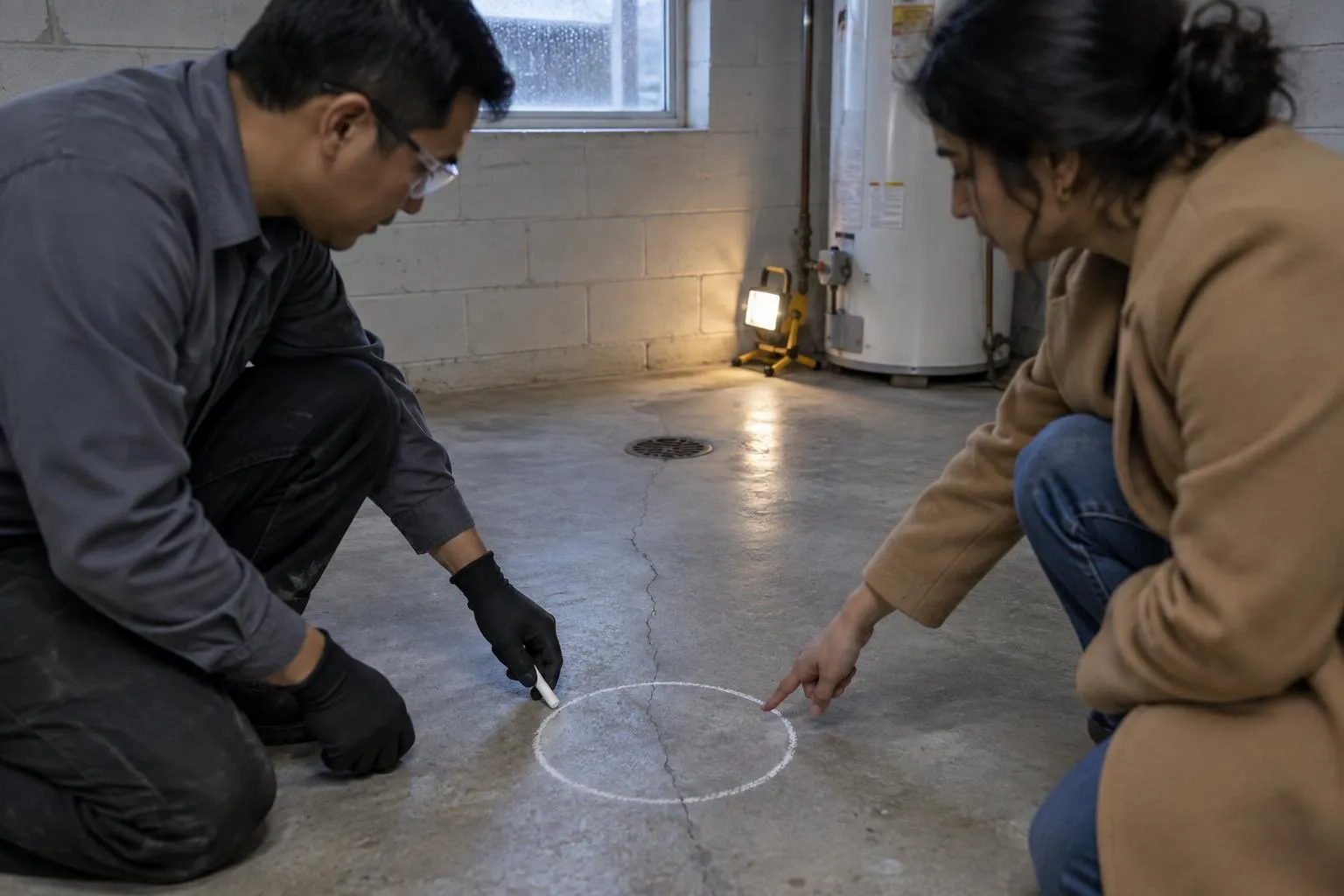
- Site assessment — Inspect foundation type, HVAC layout, and radon entry points
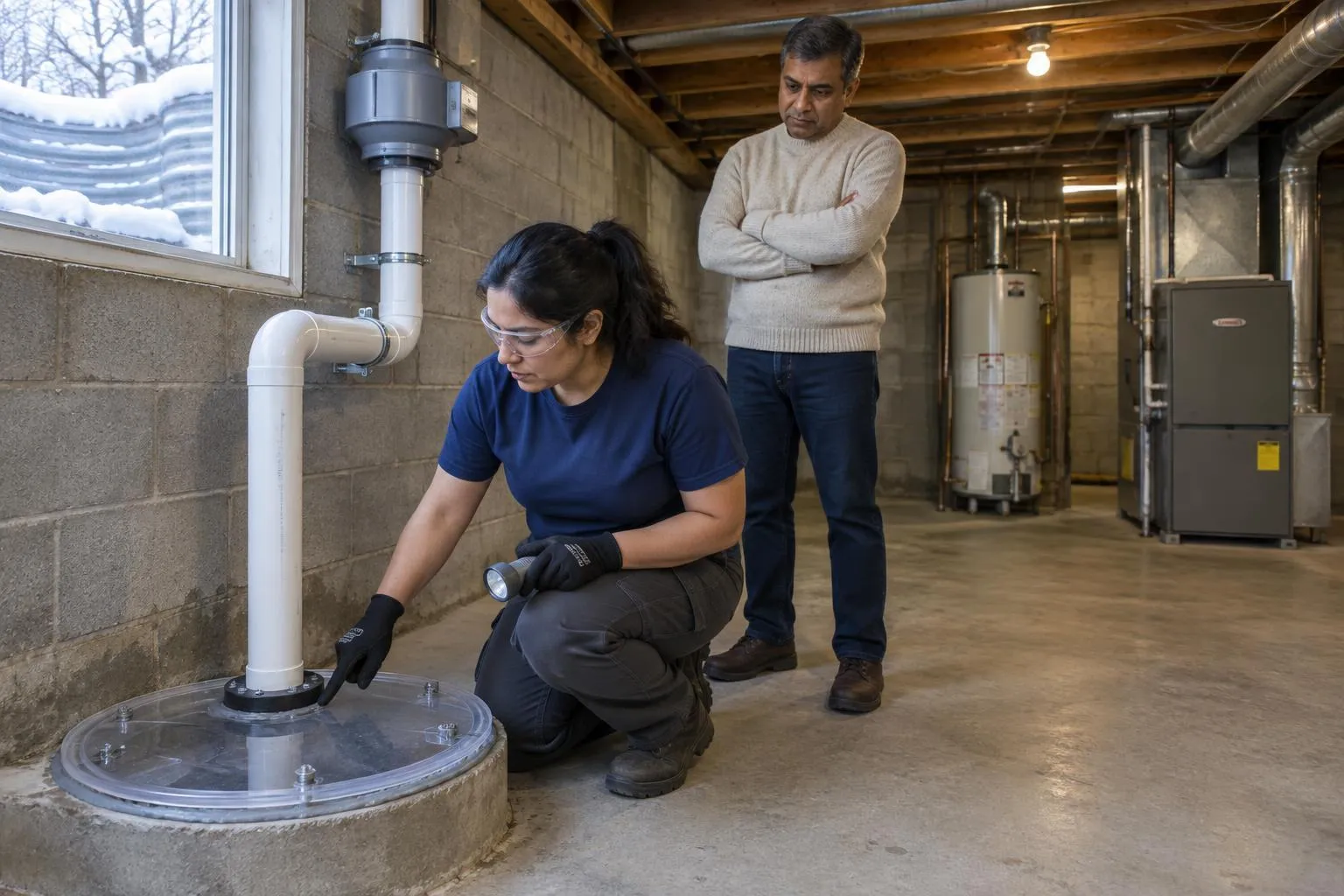
- System design — Active Soil Depressurization (ASD) is the standard: a pipe runs through the slab, a fan draws radon-laden soil gas up and vents it above the roofline
- Installation — One visit in most residential cases
- Post-mitigation test — Verify the system dropped levels below 4 pCi/L
- Documentation — Pre/post pCi/L readings, system warranty, and a report you can hand to a future buyer
Credentials to look for: NRPP (National Radon Proficiency Program) or NRSB certification. These are the national credentials — separate ones exist for measurement vs. mitigation, so a tester and an installer may hold different certifications. A company like EnviroHome holds both.
Reality Check:The “mitigation” part sounds scarier than it is. ASD systems are quiet, unobtrusive, and typically last 10+ years. The fan runs continuously and draws minimal power. Most homeowners forget it’s there after week one.
Who Needs This Right Now
Four situations warrant picking up the phone today:
- Real estate transaction — Elevated test in a home inspection report. Sellers can’t just say “Miami’s fine.” If the number is above 4 pCi/L, you negotiate remediation or walk.
- DIY test came back high — Charcoal canister tests are accurate when done correctly. If yours returned above 4, get a certified measurement company to confirm before hiring a mitigation specialist.
- New construction in a high-risk pocket — Some Miami-area ZIP codes have elevated incidence rates. Builders who install radon-resistant construction features upfront cost you less than retrofitting later.
- Ground-floor condo or slab home — These have the highest exposure risk. Upper floors in high-rises are typically lower risk.
You can explore verified Miami radon mitigation specialists or read the full Complete Guide to Radon Mitigation Contractors if you’re earlier in your research.
Practical Bottom Line
I’ll be honest: Miami isn’t a worst-case radon market. But “not worst-case” isn’t the same as “ignore it,” and the homeowners who get hurt are almost always the ones who listened to someone who said don’t worry about it.
Here’s the move:
- Test first. If you haven’t, grab a short-term canister test (under $30) or hire a certified measurement pro
- If results exceed 4 pCi/L, call EnviroHome at 786-791-2554 — they’re the local standard for a reason
- Verify certification before signing anything — Florida DOH at 800-543-8279 takes 60 seconds
- Get a post-mitigation test in writing as part of your contract
The fix is fast, the systems are reliable, and the peace of mind is real. The condo my client almost skipped the test on? She got the mitigation system installed before closing, dropped the level to 1.1 pCi/L, and moved in without a second thought.
That’s how this is supposed to work.
Done reading? Get quotes from radon mitigation contractors in Miami.
Takes about a minute. Free, no obligation; providers reply to you directly.
Popular cities:
Nick built RadonTrust because the radon industry still mixes measurement and mitigation in ways that create conflict of interest — the same pro who tells you your level is high often wants to sell you the fix. This directory surfaces independent, credentialed professionals first.