Get free quotes from radon testing and mitigation near you
Takes about a minute. Free, no obligation; providers reply to you directly.
A sales rep showed up to my buddy’s job site last spring with a rolling case full of gear, a laminated spec sheet, and about forty minutes of pitch. He left behind a $3,800 quote for a “premium diagnostic package” — continuous radon monitors, a Bluetooth-enabled manometer, branded PVC fittings. My buddy, who’d been doing radon mitigation for eleven years, bought the $180 CRM he already uses and walked out with the same result: a passing post-mitigation test.
The equipment market for radon contractors is genuinely confusing, and that’s not an accident.
The Short Version:The core equipment list for quality radon mitigation work is short and inexpensive compared to the hype. A calibrated continuous radon monitor, a reliable sub-slab depressurization fan, a manometer, and proper sealing materials are the actual difference-makers. Technique, diagnostic judgment, and certification matter far more than premium gear. Initial setup runs $5,000–$25,000+ — but most of that variance comes from vehicle costs and business overhead, not magic equipment.
Key Takeaways:
- ~1 in 15 U.S. homes have elevated radon levels (>4 pCi/L), so demand is real and growing — the global market hit $1.1B in 2024
- EPA-approved measurement equipment is non-negotiable; brand prestige beyond that is largely marketing
- Sub-slab depressurization (ASD) is the workhorse system — most residential installs use it
- Only 10% of customers test to verify their mitigation system worked; contractors who push post-mitigation testing differentiate themselves fast
What Actually Matters: The Short List
Here’s the equipment that genuinely affects whether a job is done well or done badly.
Continuous Radon Monitors (CRMs)
This is where quality matters most and where the stakes are highest. A CRM is what you use for pre- and post-mitigation measurements — it’s the data that goes in your report and the number that tells a homeowner whether they’re safe. CRMs need to be EPA-listed (check the EPA’s approved list directly; it’s updated), factory-calibrated, and recalibrated annually. The Sun Nuclear 1028 and the Safety Siren Pro Series are both widely used. The brand is less important than the calibration date stamped on the unit.
Reality Check:A CRM that’s two years past calibration will fail state inspections and produce numbers you can’t stand behind. The equipment itself is the commodity — the calibration discipline is the differentiator.
Sub-Slab Depressurization Fans
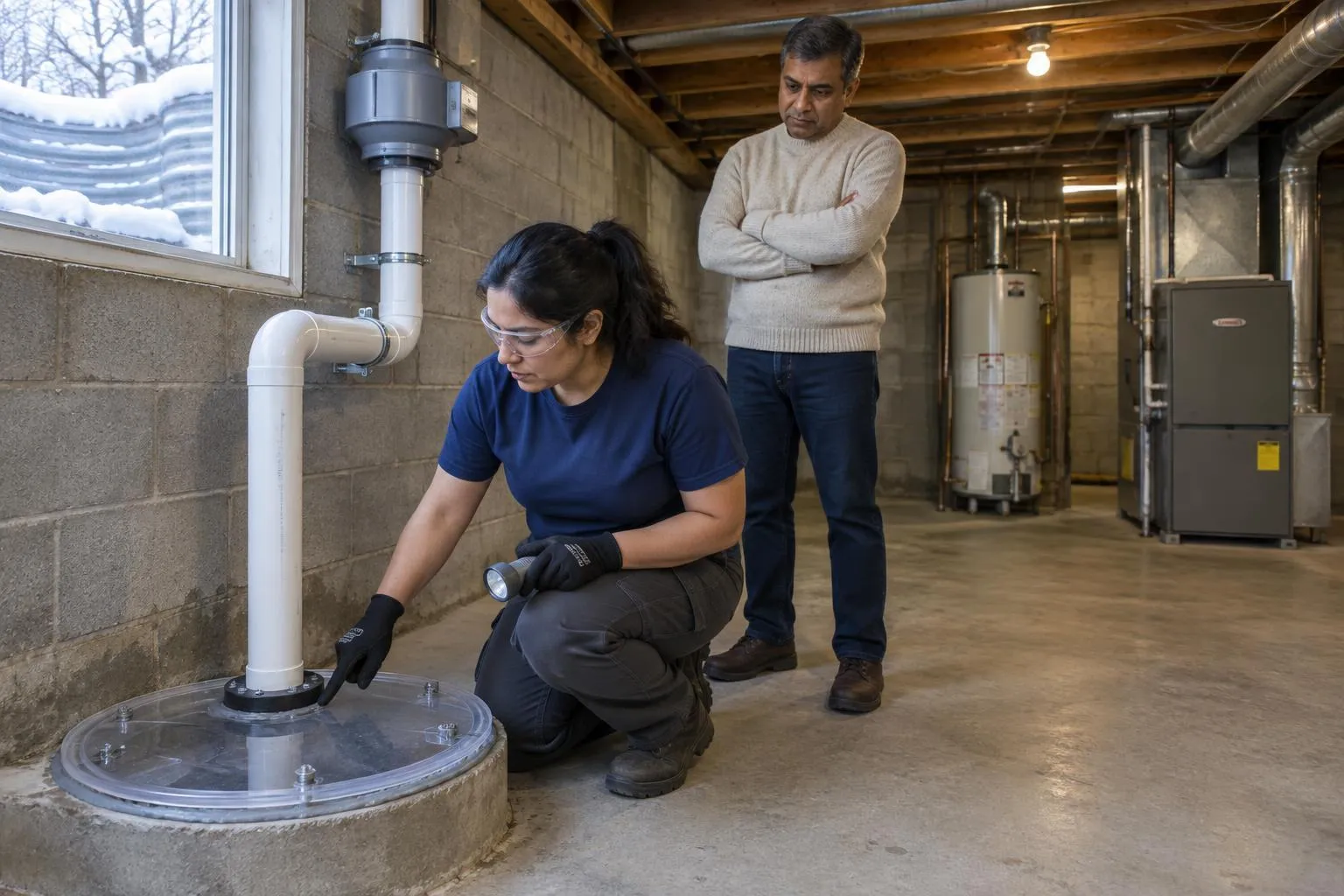
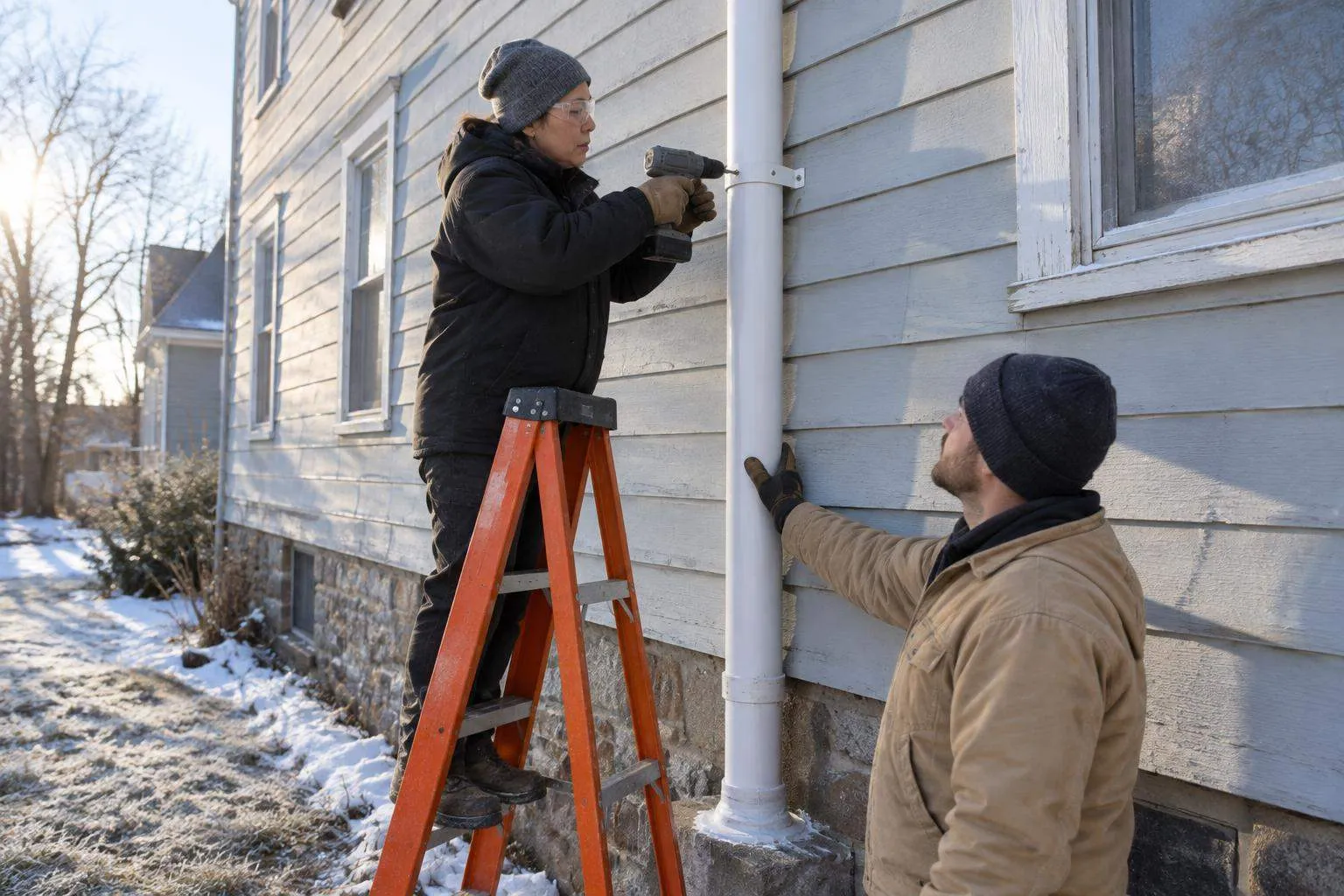
ASD is the standard mitigation method for the vast majority of residential installs. The fan creates negative pressure below the slab, routing radon up and out above the roofline via PVC pipe. Fan selection is diagnostic work: you need to match the fan’s pressure/flow curve to the actual sub-slab communication in that specific house, which you measure using a diagnostic probe and manometer before you ever spec a fan.
RadonAway, Festa Radon Technologies, and Fantech make fans that professional contractors actually use. Specs that matter: CFM range, static pressure rating, and moisture tolerance. The $400 fan is not meaningfully better than the $180 fan if the $400 fan is oversized for the substrate.
Manometer
A digital manometer — used to read negative pressure in the mitigation pipe post-install — is how you verify the system is working before you leave the job. This is a ~$150–$300 tool. It is not glamorous. It is load-bearing.
Sealing Materials
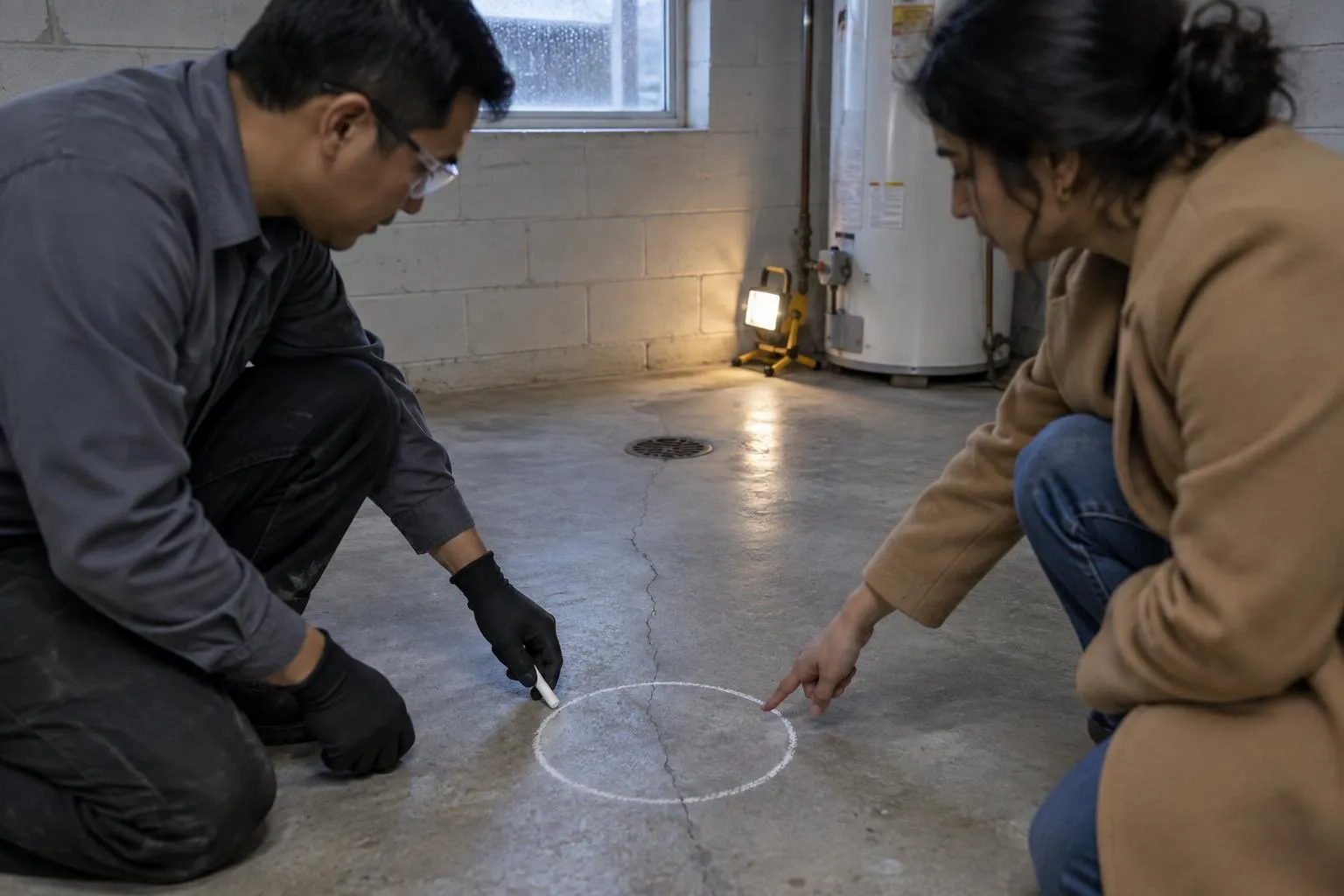
Hydraulic cement, expanding foam, and polyurethane caulk for sealing penetrations and cracks before or alongside the depressurization system. The quality of your seal work directly affects system performance. This is unglamorous and often undertreated in equipment discussions. It shouldn’t be.
The Comparison Table
| Equipment | What Matters | What’s Marketing |
|---|---|---|
| Continuous Radon Monitor | EPA-listed, current calibration | Brand name, color, app integrations |
| ASD Fan | Correct CFM/pressure for the substrate | ”Premium” designations without specs |
| Manometer | Digital readout, accuracy | Wireless connectivity for simple jobs |
| PVC Pipe & Fittings | Schedule 40, proper diameter | Branded “radon-specific” pipe |
| Sealing Materials | Coverage, cure time, substrate match | Pre-mixed “contractor kits” at 3x markup |
| Smart Monitoring Systems | Useful for commercial; optional residential | Mandatory for residential installations |
| Sump Pump Systems | Needed when sump is present | Upselling where slab suction is sufficient |
The Gear That’s Situational (Not Always Necessary)
Smart/Continuous Monitoring Systems
Devices like the Airthings Wave Radon or connected monitors have their place — commercial buildings, multi-unit properties, or clients who want ongoing peace of mind. For a standard residential job, a post-mitigation CRM test a few days after install answers the only question that matters. Selling a $300 smart monitor to every residential client is a revenue tactic, not a quality practice.
Sump Pump Depressurization
If there’s a sump pit, you’ll need to address it. If there isn’t, a contractor quoting sump pump work anyway is worth scrutinizing.
Pro Tip:Before any equipment purchase, run the EPA’s Radon Mitigation Standards through your state’s specific requirements — NRPP-certified contractors in California face disclosure-driven demand, but the equipment standard is federal.
The Uncomfortable Truth About Technique
Nobody tells you this in the equipment catalogs: a mediocre fan installed by someone who did proper diagnostic work will outperform a $600 fan dropped into a slab without testing sub-slab communication first.
The diagnostic sequence — probing, pressure testing, identifying pathways — determines everything. A contractor who skips that step and over-fans a house isn’t being thorough, they’re guessing expensively. The fact that only 10% of customers test post-mitigation means most homeowners will never catch the difference. That’s a reason to have standards, not a reason to exploit the information gap.
Reality Check:The global radon mitigation market is projected to reach $1.8B by 2030, driven by real estate disclosure requirements and commercial building regulations — not by equipment innovation. The growth is regulatory, not technological. Your competitive edge is your certification and your diagnostic process, not your gear catalog.
What NRPP Certification Actually Tells You About Equipment Choices
NRPP (National Radon Proficiency Program) certification — separate credentials for measurement and mitigation — is the professional baseline that most states require. The certification curriculum covers equipment selection criteria, EPA measurement protocols, and QA/QC for CRMs. If someone can’t tell you their CRM’s last calibration date or doesn’t know how to read a pressure field extension test, their equipment list is irrelevant.
This is the part that real estate transactions are starting to catch up to. As homebuyers increasingly request radon testing pre-sale (16% of sellers tested before listing, and that number is climbing), the credential and the report matter more than the van wrap and the branded gear.
For a deeper look at how to vet a contractor’s overall qualifications — not just their equipment — see The Complete Guide to Radon Mitigation Contractors.
Practical Bottom Line
If you’re a contractor building out your equipment kit, here’s the honest version:
- Start with a calibrated, EPA-listed CRM. Budget $300–$600 and commit to annual recalibration. This is where cutting corners costs you.
- Stock two or three fan models across the CFM range (e.g., RadonAway GP301, GP501, RP145) so you can match the job rather than the other way around.
- Buy a digital manometer. $150–$300. Use it every time.
- Keep sealing materials on the truck — hydraulic cement, expanding foam, polyurethane caulk. The seal work is half the job.
- Skip the smart monitoring upsell for residential unless the client specifically asks. Your post-mitigation CRM test is the standard.
The $5,000–$25,000 startup range is real, but most of that is vehicle, insurance, and business costs — not equipment. The actual tools for quality mitigation work are unsexy and affordable. The technique is what you’re really selling.
Done reading? Get quotes from radon mitigation contractors near you.
Takes about a minute. Free, no obligation; providers reply to you directly.
Popular cities:
Nick built RadonTrust because the radon industry still mixes measurement and mitigation in ways that create conflict of interest — the same pro who tells you your level is high often wants to sell you the fix. This directory surfaces independent, credentialed professionals first.