

Office location not published
Service area: “Castle Home Inspections is an inspection company established in Las Vegas, NV.”
Published service area ↗Compare curated radon mitigation pros, check certifications, read reviews, and request quotes — all in one place.
Map shows providers with a known office location. All providers are listed below.
No providers match this filter.
Providers with an office in the Las Vegas area, matched by the ZIP code of their published address.
Based outside the Las Vegas area, with Las Vegas named in the service area on their own website.
Office location not published
Service area: “Castle Home Inspections is an inspection company established in Las Vegas, NV.”
Published service area ↗Office location not published
Service area: “We test for radon in Las Vegas, North Las Vegas, Henderson, Boulder City”
Published service area ↗Need help choosing? Get matched with top providers in seconds.
0 providers selected
Are you a radon mitigation contractor in Las Vegas? Already listed here: Castle Home Inspections LLC, MSE Environmental, Red Rock Home Inspections LLC.
List your businessView curated providers, check certifications, and read real client reviews.
Select up to 5 providers and send your project details. Free, no obligation.
Compare quotes, check availability, and book directly with the provider.
Finding a qualified radon mitigation contractor in Las Vegas shouldn’t feel like gambling — but without a curated list, that’s basically what you’re doing. Clark County sits in EPA Zone 2, which means moderate radon potential, yet plenty of homes test well above the 4 pCi/L action level, especially the tightly-sealed stucco builds that dominate the valley (great for your AC bill, terrible for indoor air circulation). This directory cuts through the noise and connects you with NRPP- and NRSB-credentialed contractors who actually know Nevada’s soil and construction patterns.
Pro Tip: During real-estate transactions in Las Vegas, sellers sometimes use short-term (48-hour) tests instead of the more reliable 90-day long-term tests. If you’re buying and the seller’s test was done during peak summer when windows are sealed and AC is running constantly, those numbers are probably accurate — but ask anyway. If the test was done in spring with windows cracked, push for a long-term or at minimum a second short-term.
Testing runs $150–$400 depending on whether you need a certified measurement professional or a lab-analyzed long-term kit; mitigation installs in Las Vegas typically land between $800 and $1,500 for a standard single-point sub-slab system, with multi-point installs on larger footprints pushing toward $2,000. Most contractors can schedule within one to two weeks, and the install itself takes three to five hours — you’ll usually have a preliminary post-mitigation reading within 48 hours.
Reality Check: Be skeptical of quotes that come in significantly under $800. In Las Vegas, material costs and labor rates are not low enough to justify a $500 mitigation system — what you’re usually getting is a single suction point that isn’t properly modeled to the sub-slab communication of your specific slab, which means uneven pressure fields and radon that migrates around the depressurization zone. The $300 you saved becomes a problem when your post-test still reads 5 pCi/L.
Nevada has no state radon contractor licensing requirement, which makes Clark County one of the more unregulated markets in the West — the only meaningful quality signal is the NRPP or NRSB credential, full stop. Las Vegas’s hot, arid climate means homes run their HVAC hard and stay tightly sealed for most of the year, a condition that consistently amplifies indoor radon concentrations compared to leakier construction in more temperate climates, making professional mitigation — not just testing — the standard outcome once a home tests above the action level.
Radon Mitigation Contractor services in Las Vegas typically run $800-$1,500 per mitigation install ($150-400 for testing only), depending on scope, complexity, and turnaround requirements. Expedited work and specialized equipment add cost.
Look for NRPP — it's the credential that separates qualified radon mitigation pros from the rest. Also verify insurance, check reviews, and confirm they can handle your project's specific requirements.
There are currently 3 radon mitigation pros listed in Las Vegas, NV on RadonTrust.
Sponsored providers pay for more prominent placement on pages where they already qualify to appear. Payment does not change a provider's location, credentials or reviews, and it is not an endorsement. All providers on RadonTrust — sponsored or not — are real businesses.
Hire a radon mitigation contractor who actually fixes the problem: look for NRPP or NRSB…
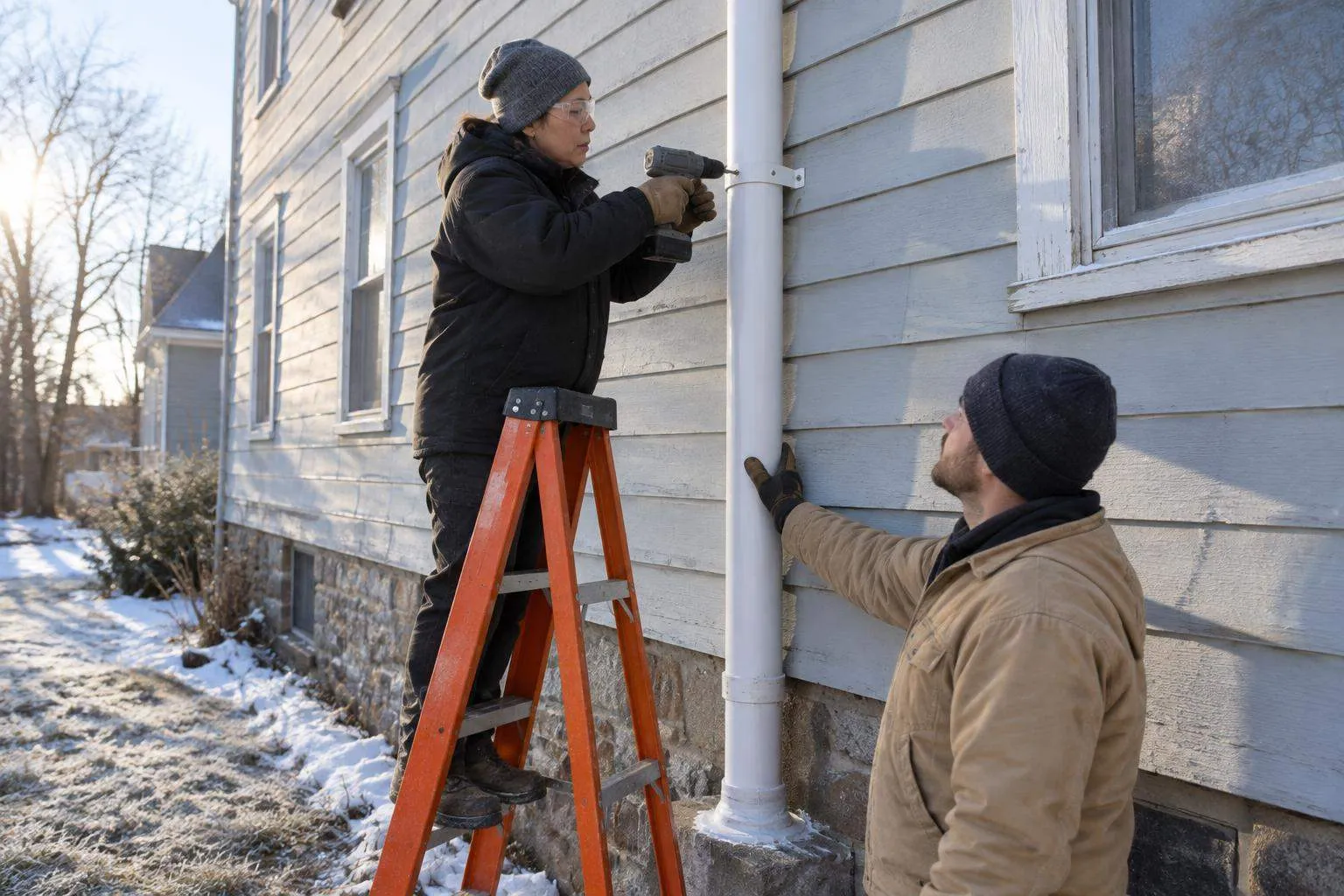
Radon mitigation contractor costs vary up to 186% by state — see which markets pay $700 vs. $2,000 and how to avoid overpaying wherever you live.
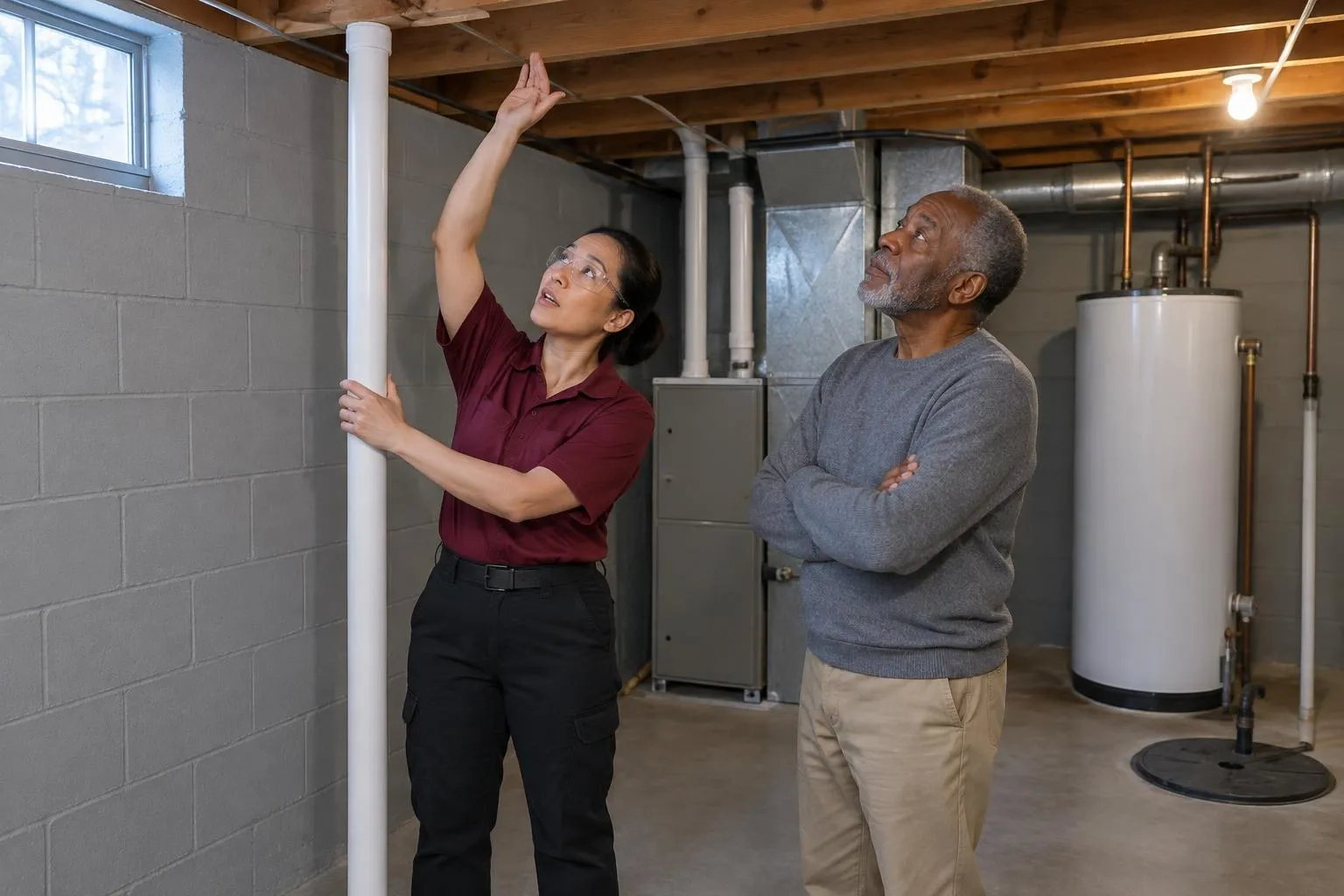
No federal law requires radon mitigation contractor certification — anyone can do it. This checklist stops you from hiring the wrong one and paying twice.
Looking for more? Browse our full resource library or find radon mitigation contractors in other cities.